Sun-Bleached to Black: His Coat Comeback
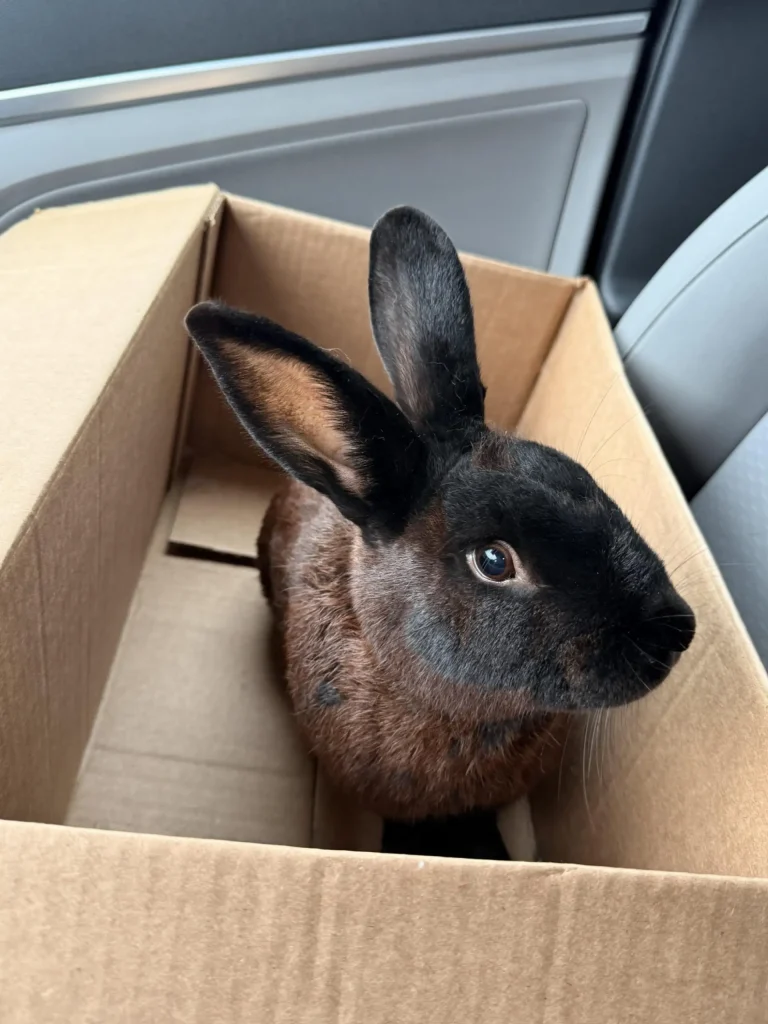
I am Azmi, writing from Meknes, and this is the coat comeback diary I care about most. He arrived yesterday from a rough outdoor hutch: small, dirty, a mesh floor under his feet, unknown age, and a coat of sun-bleached brown all over. My guess, only a guess, is a Havana underneath, the kind of deep dark coat waiting for good daily care and indoor life to show itself. I am calling him Chocolate Moonpie for now, with the hope of midnight Havana by spring if the guess holds. This post is my month-by-month comeback tracker, and I want to be clear up front: I am a diary keeper, not a vet, and I leave every health call to my vet, who saw him within a day of arrival and guides each step.
Day one: the before photo that matters
Rescue day smelled of dust and old straw. The hutch sat in full sun with no shade cloth, the mesh floor had left pressure marks on his hind feet, and his coat was the color of weak tea, pale and dry at the tips with slightly darker roots showing near the skin. He weighed almost nothing in my arms and stayed very still on the ride home, pressed into the carrier corner. Once indoors I set him in a quiet pen with fresh hay, water in two containers, and a hidey, then simply sat nearby and let him choose when to explore. He ate hay within the hour, which lifted my whole heart. I took the before photos in the same window light I plan to use every month, because matching light is the only way to compare honestly. From farmer project to house royalty in one day: the coat tells the before story, and this diary writes the after.
Month one: indoors, routine, first hints of dark
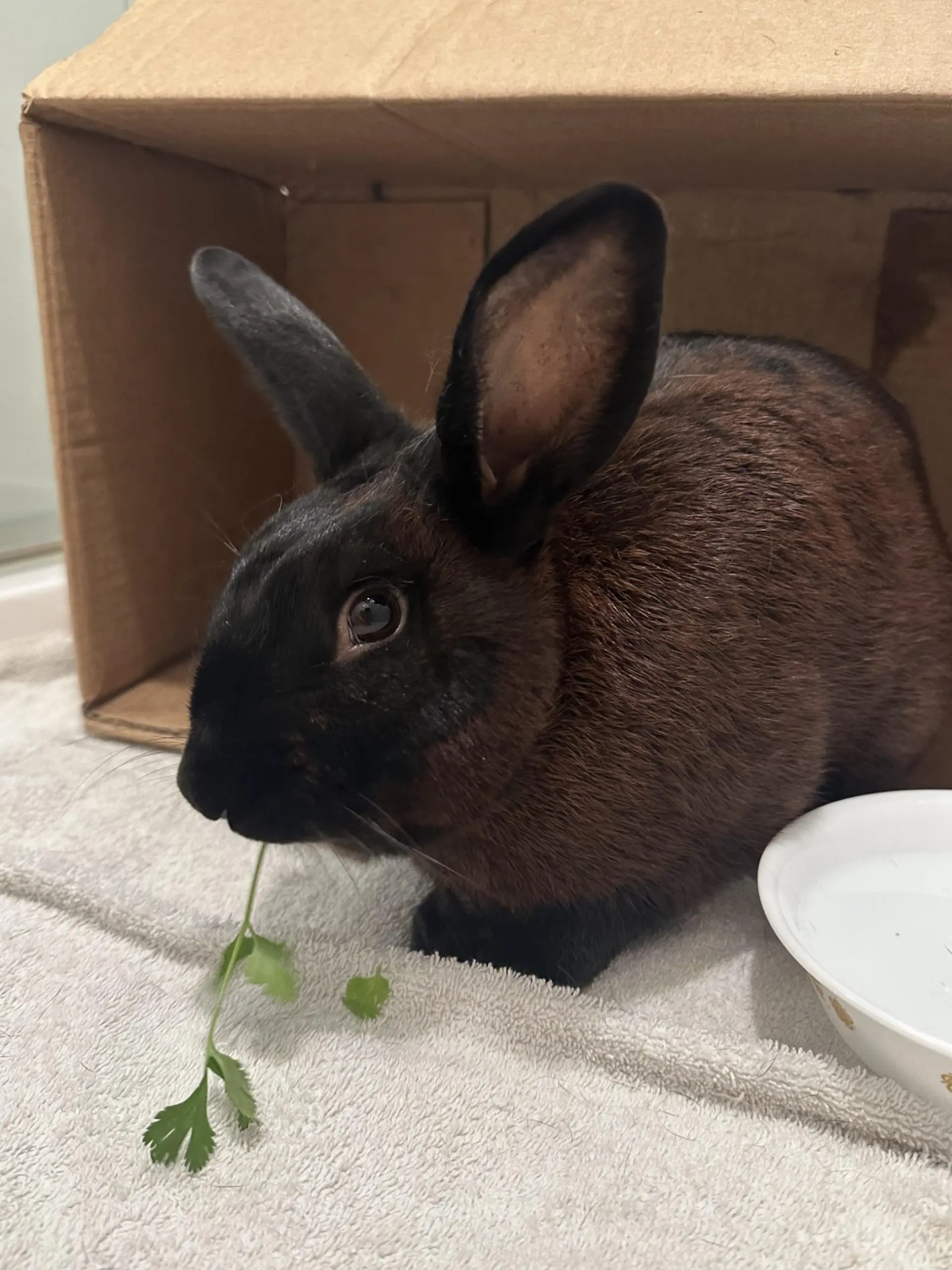
The first month was all about routine, not results. Same feeding times, same quiet room, same gentle handling, and a weekly photo in that same window spot. I brushed him briefly every few days with a soft brush, just enough to lift loose tufts, and logged what the brush collected. By week two the photo showed what my eyes had started to notice: the roots along his back looked a shade deeper than the bleached tips, like new growth arriving in a darker tone. The flanks still read brown in sunlight, but indoors under the window the saddle area photographed noticeably richer. I keep a parallel weight and photo routine like the one in my weekly weigh photo tracker, because numbers and pictures together stop me from imagining progress. Month one verdict: small changes, honestly lit, worth continuing.
Month two: the Chocolate Moonpie era
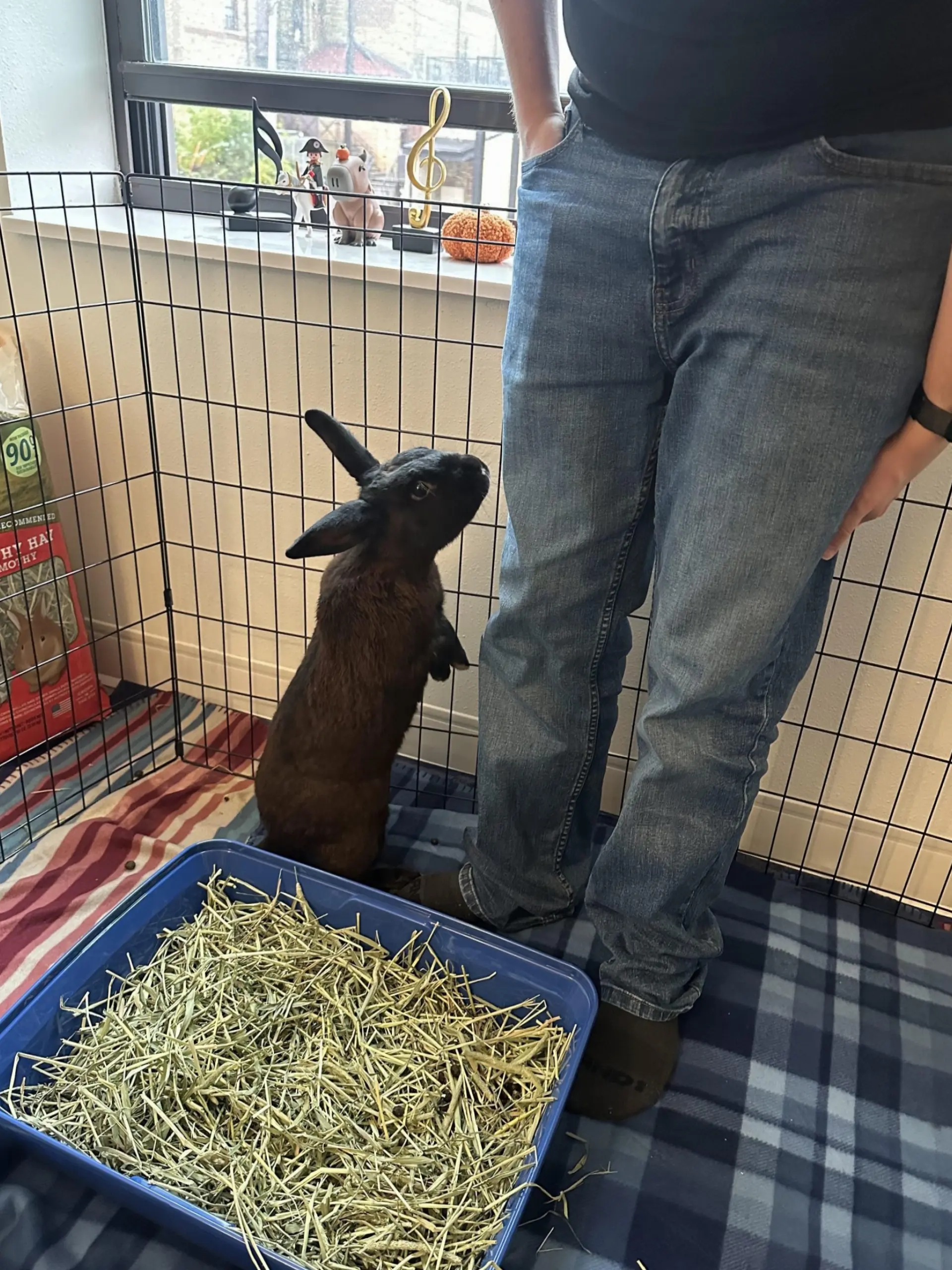
Month two earned its nickname. The bleached tips began shedding in soft handfuls during brushing sessions, and the incoming coat underneath photographed as a warm chocolate brown, deeper and glossier than anything visible on arrival day. His face darkened first, then the ears, then a widening saddle down the back, exactly the pattern other Havana keepers describe in their own diaries. He also filled out in posture: brighter eyes, longer settled naps, actual binkies in the evening when the flat went quiet. I do not claim any single cause for any single change, because coat, light, season, age, and daily care all mix together, and only my vet interprets health signs. My job is the part I can do: steady meals of hay and the foods my vet approved, clean indoor air, calm handling, and photos. Chocolate Moonpie today is a compliment, not a complaint. He looks good enough to photograph and honest enough to keep tracking.
Month three and beyond: watching for midnight
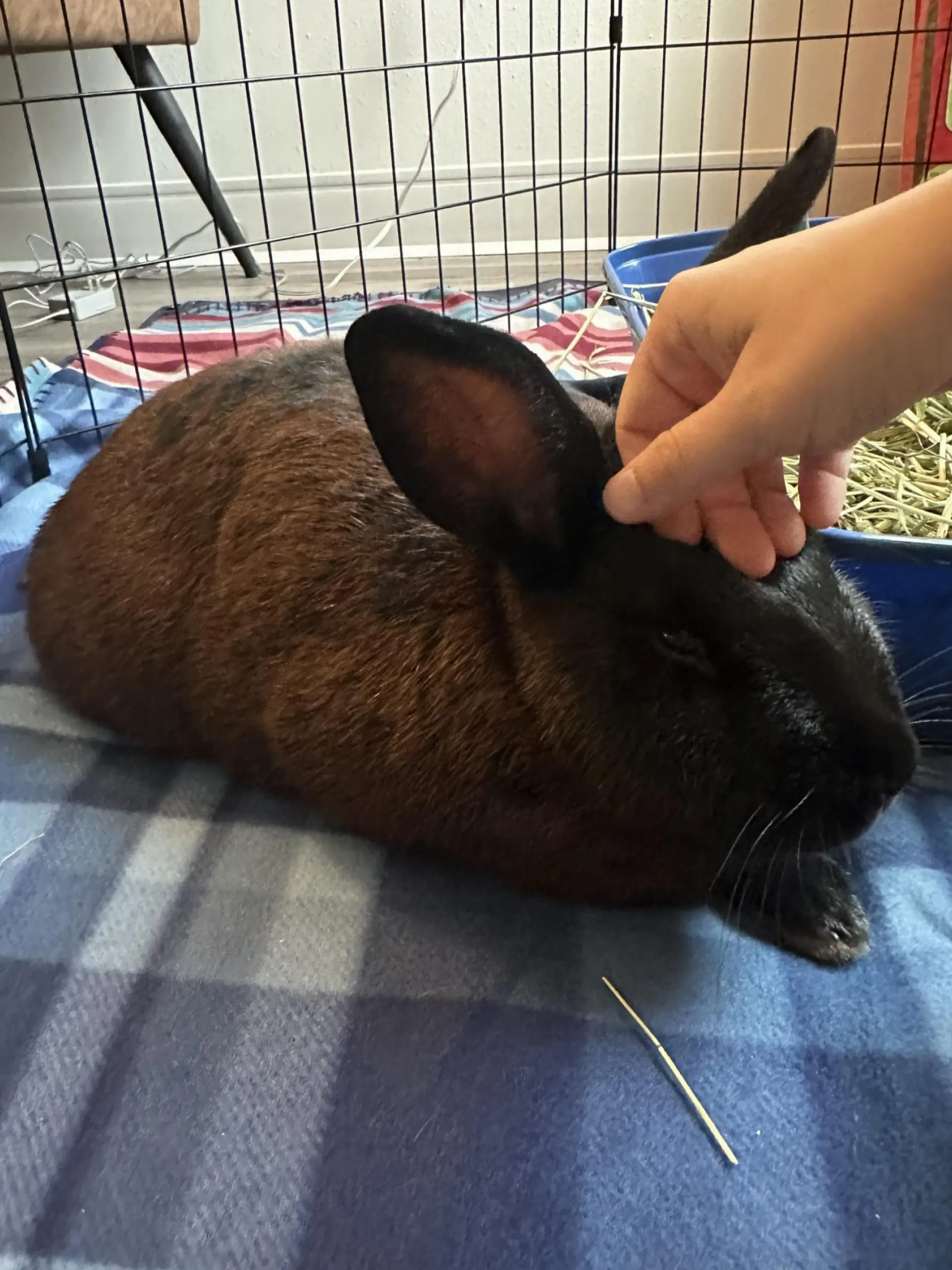
My guess of midnight Havana by spring is exactly that, a guess I hold lightly. Some months the change photographs dramatically between visits. Other months nothing seems to move and I wonder if the light fooled me. That is why the tracker rules matter more than the hope. Monthly coat photo in the same window light, same angle, same background cloth. A short note on what the brush collected. A short note on behavior: appetite for hay, energy in the evening, comfort with handling. And the standing rule that any worry, dull patches, flaky skin, appetite dips, anything unusual, goes straight to my vet, not to the internet and not to waiting. I photograph manes and coats across the household with the same discipline I described in my mane growth photo series, because comparison only works when the method stays fixed.
My tracking method, for anyone starting one
- Same window, same hour, same cloth background, every single month.
- Three shots minimum: full side view, back saddle close-up, face and ears.
- Brush notes: how much loose coat, where it came from, how he tolerated it.
- Behavior lines: evening energy, hay appetite, comfort with gentle handling.
- Vet first for every question: the diary records, the clinic decides.
Closing entry for now, from Meknes, with months of good care still ahead that he deserves every bit of. Rescued yesterday from a rough outdoor hutch, small and bleached and unknown, he is already a different animal in the evening light: curious, glossy at the roots, and learning the layout of a quiet flat. Whether the final shade lands at deep chocolate or true midnight black hardly matters against the real change, which is indoor life with steady rhythms and somebody watching closely. The coat tells the before story. The diary, the vet, and the monthly window light will write the after, shade by shade.
Next in this chapter…

Brush Wars: Slicker vs Groomi (Delicate Skin Rules)
I am Azmi in Meknes, and my grooming drawer holds three brushes with three very different life stories. Thumps, my…
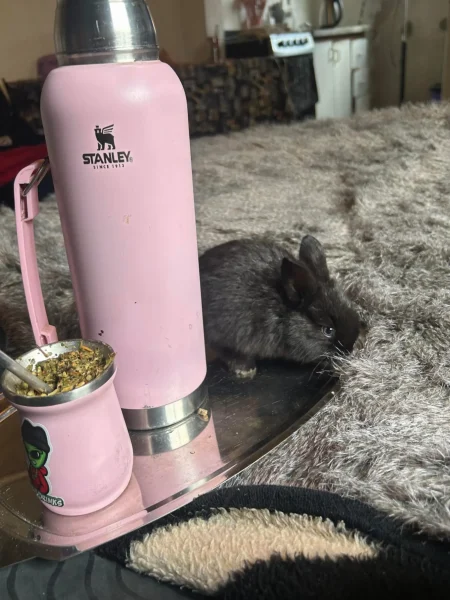
How Many Years? Playing With House Money at Ten
I am Azmi, writing from Meknes, and my shadow asked me the big question tonight. Not in words, obviously. She…
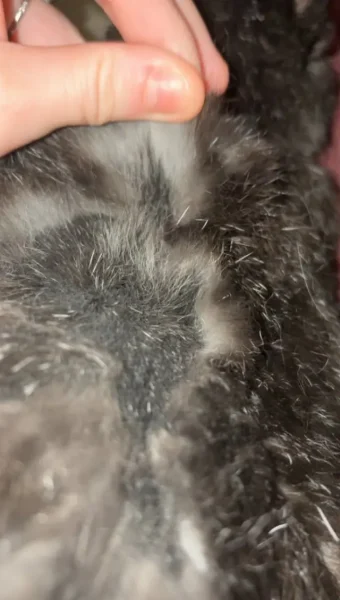
Pluck Season: She Enjoys It (I Help)
I am Azmi, writing from Meknes, and the season has turned: it is pluck season in our house, the great…