The Hay Quest: Brown Boxes Rejected, Search On
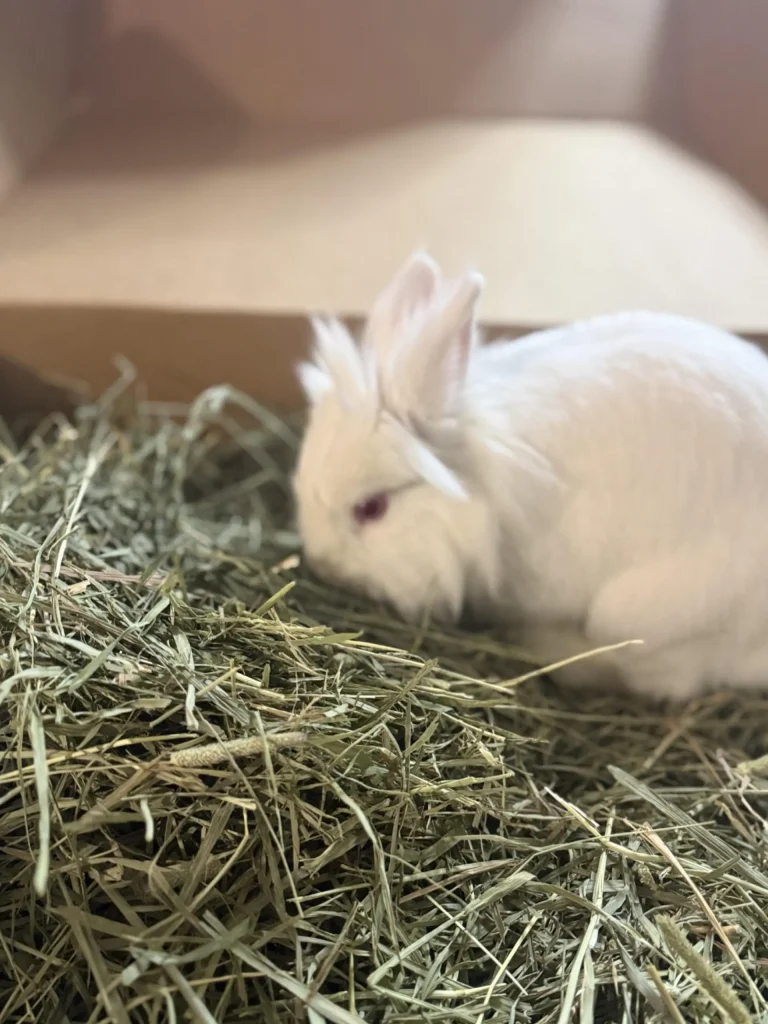
I am Azmi, writing from Meknes with hay dust on my sleeves and a nearly empty storage corner, and I am declaring this week what it has truly been: a quest. My boy loves hay the way poets love moonlight, hugely and daily, but he has refused the last two boxes outright, thick brown faded second-cut that he sniffs once and abandons like a disappointed critic. A friend’s spare box is saving us this week, and the clock ticks audibly toward empty. So I shouldered my tote bag, consulted my notebooks, and set out across the city in search of what the rescue volunteers solemnly call the good stuff. Help me, diary. The quest is on.
The empty shelf where the trouble started
Every quest begins with a shortage, and mine began at the shelf where the hay lives. Box one had arrived looking tired, stalks thick as pencils and the color of old paper, and my boy staged a polite but total boycott, sleeping beside the rack instead of pulling from it. I told myself he was being dramatic. Then box two arrived from a different seller and earned the same verdict within a day, and the photograph I took that evening shows him turned bodily away from the pile, a critic at the height of his powers. I keep that picture pinned above the shelf as a reminder that appetite is information. I am a diary keeper rather than a vet, so anything about portions, weight shifts, droppings, or fading appetite goes to my rabbit vet promptly, and I never experiment with diet beyond my notebook’s competence. What I could do was shop better, and shopping better became the journey.
My standards, I should confess, are partly the problem, because I taught him to expect the fragrant green stuff and he graduated with honors. I rotate and fluff his piles the way I described in my picky hay station notes, shaking out the dust, mixing textures, presenting it tall and inviting, and a rabbit raised on that service develops a palate. Friends laugh when I call rejected piles a compliment to my standards, but I sweep them up with genuine pride. Somewhere in this city, I told the diary, there is a box of soft green fragrant hay with his name on it, and I intended to walk every aisle until I found it.
First trail: the shops and their brown boxes
The first leg of the quest covered the familiar shops, and it was a museum of disappointment. One store offered bags so pale and brittle they crackled like straw bedding, and the assistant assured me rabbits love them, a claim my boy’s entire biography contradicts. Another had premium packaging at a painful price with contents no greener than the budget bag beside it. I opened bags and sniffed them like a suspicious grocer, earning stares I accepted as the cost of the mission. Twice I bought small trial quantities against my better judgment, twice I carried them home in hope, and twice the critic sniffed, tasted, and walked away to chew the cardboard corner of the box instead, which I logged in my daily food and hay log with the weary annotation that the search continues.
Second trail: the friend’s spare box
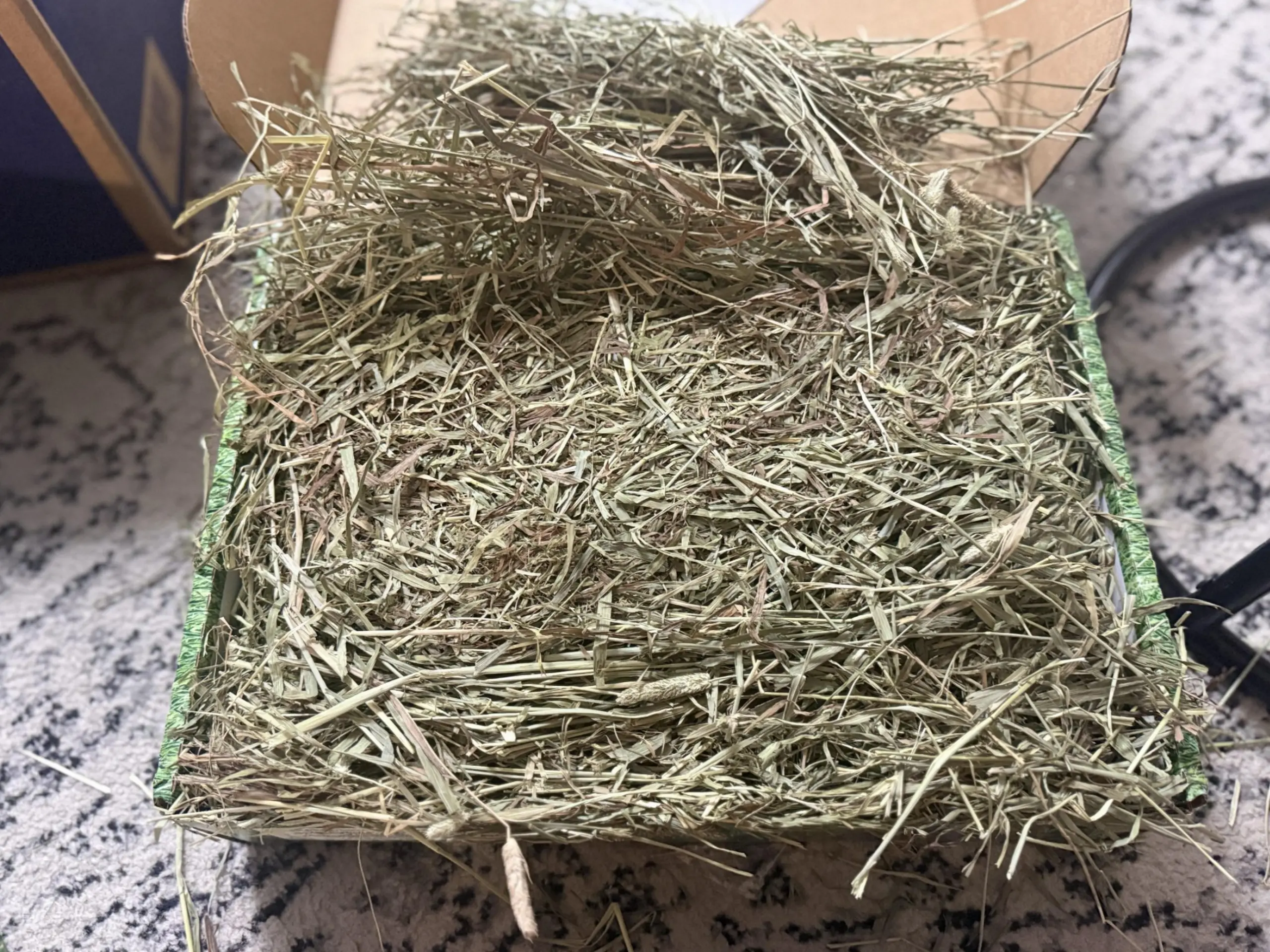
Rescue arrived, as it so often does, from a friend. Hers is a household of enthusiastic hay eaters, and she pressed a spare box on me midweek with the casual generosity of someone handing over sugar. The difference was immediate and almost embarrassing. My boy buried his face in the pile before I had finished pouring, pulled strand after strand with the focused joy of a creature reunited with his calling, and ate until his sides went round and he flopped beside the rack in a stupor of satisfaction. I stood in my own kitchen taking victory photographs like a wildlife documentarian. The friend’s box bought us seven days of grace, and it also gave me the single most valuable clue of the quest, because on its side was printed the name of her supplier, a small local rescue that sells fresh-cut boxes to fund its own hungry residents.
That evening I sat on the floor beside the happy critic and did the arithmetic of devotion. The rescue hay costs a little more than the brown shop boxes and considerably less than the ultra-soft boutique bags that had been my emergency fallback, and every coin goes toward feeding rabbits who have known real hunger. I thought about all the rejected piles I had swept this month, brown and joyless, and about the way his whole body had said yes to the fresh green strands. Quality is not a luxury good in a rabbit’s diet, I wrote in the diary. It is the difference between a pile he grazes all day and a pile that decorates the corner. Tomorrow I would call the rescue, and the quest would enter its final chapter.
Final trail: the rescue seller and the green promise
I called the rescue the next morning, and the volunteer on the phone spoke about cutting dates the way book lovers speak about editions. Their boxes move fast because the stock is genuinely fresh, she said, and she set aside a medium-soft box for me to collect on Saturday, with permission to bring the critic along for a sniff test. I hung up feeling absurdly triumphant, as if I had secured passage on an expedition rather than rabbit groceries. Perhaps that is what picky animals do to their keepers: they turn errands into adventures and make heroes of anyone willing to sniff the merchandise. The quest that began at an empty shelf will end, I hope, at a rescue counter with a green fragrant box riding home on my shoulder.
Picky hay, I have decided while sweeping the last of the rejected piles, is the highest compliment a rabbit can pay his keeper’s standards, and I will carry that sentence like a trophy. My boy refused the brown and waited for the green, and his keeper walked the city until the green was found. The search taught me every shop’s inventory, one rescue’s phone number, and the exact shade of happiness, which is the color of fresh strands in evening light. Quest nearly complete, critic nearly fed, diary nearly out of ink. On Saturday we collect the box, and if he flops beside the rack the way he did for the friend’s spare, I will consider this the most successful expedition Meknes has seen all year.
Next in this chapter…
Bruised Lettuce: Still Safe?
I am Azmi, and my kitchen in Meknes has taught me a second language. It is written in greens and…

Calcium Powder With Flour and Sand? (Vet Says Talk First)
I am Azmi in Meknes, and for three evenings last month I rehearsed a phone call in my head before…
What Can She Eat at Four Months? (Veggie Intro)
I am Azmi, writing from my apartment in Meknes, and Nube is four months old this week. She came to…