Bruised Lettuce: Still Safe?
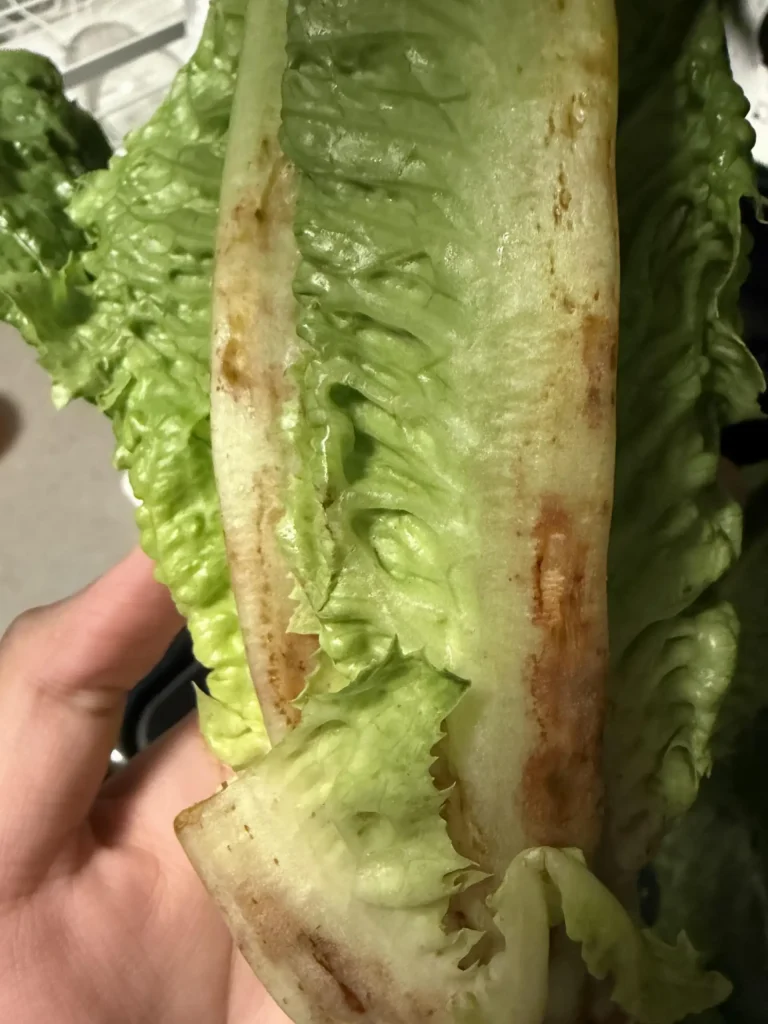
I am Azmi, and my kitchen in Meknes has taught me a second language. It is written in greens and browns, in crisp edges and sad ones, and I learned it standing over the sink with a head of lettuce in my hands, wondering what on earth was wrong with it. Brown spots. Dark edges. A general air of having given up. My first instinct was the bin. My rabbits’ instinct, judging by the circling feet around my ankles, was the bowl. What follows is my primer in reading lettuce the way I now do every evening: by color, by touch, by smell, with my vet’s standing guidance behind me and the compost bucket standing by.
Brown: the color of bruises, not poison
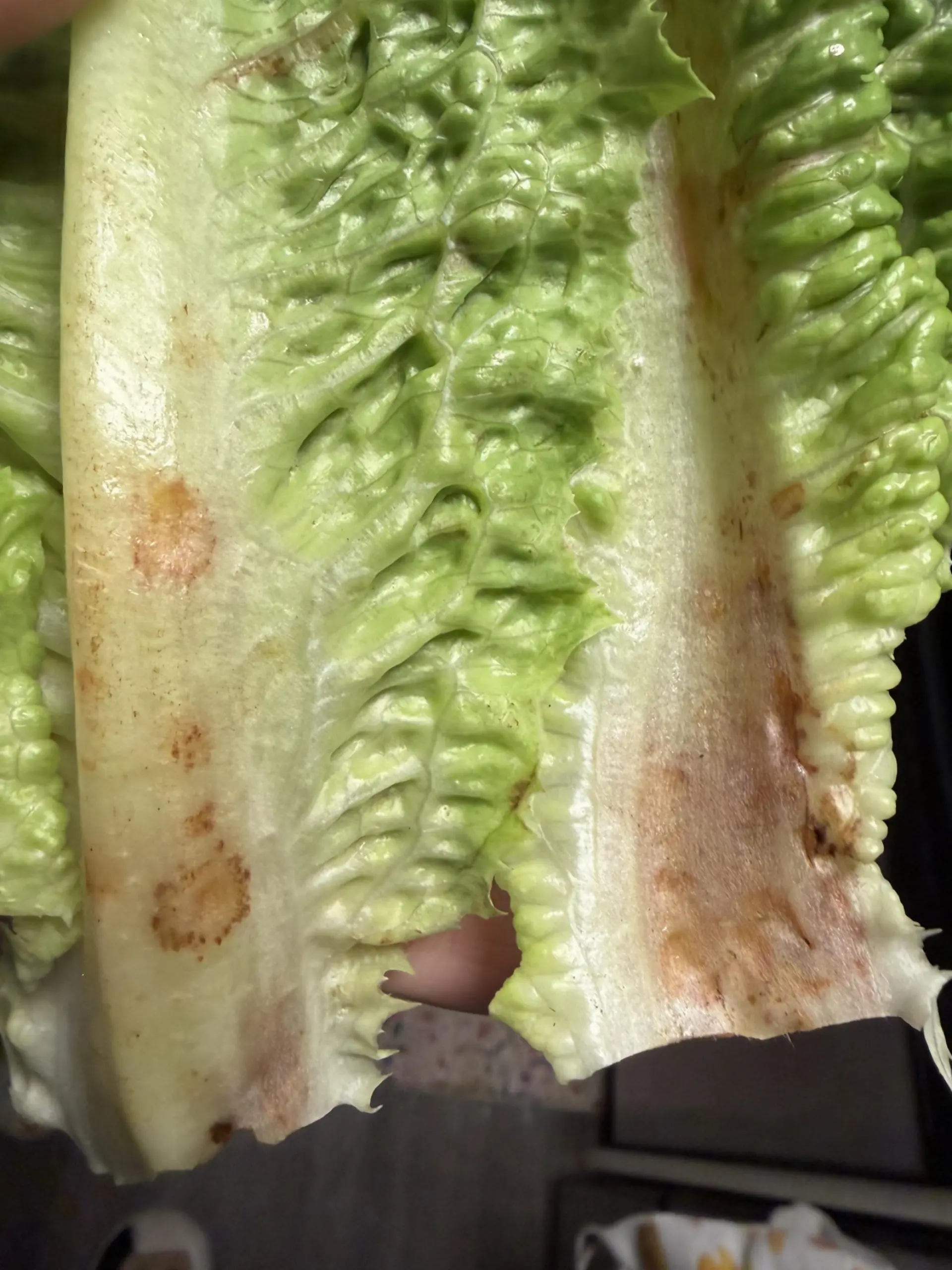
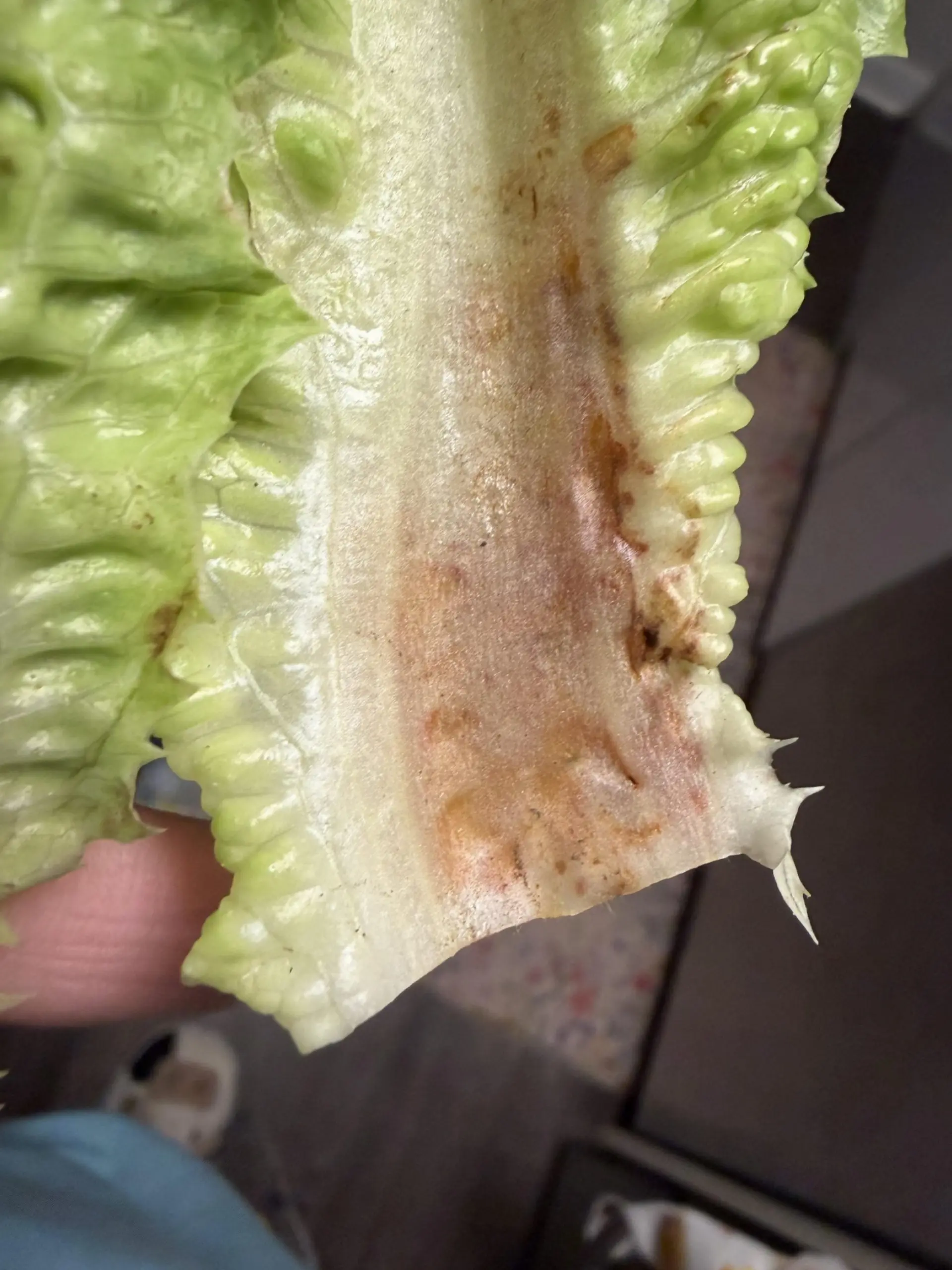
The most common thing I see is the rusty brown edge, sometimes freckling across the outer leaves, sometimes a pinkish blush along the ribs. I used to read this as rot. What I have learned, from produce guides and from checking with my vet about my own feeding routine, is that this browning is usually oxidation and bruising: the leaf got pressed, stored, jostled in the Meknes market crate, and its cut or bumped cells darkened the way an apple slice darkens. In my kitchen, these leaves still feel crisp, smell like nothing but green, and get eaten with enthusiasm. I rinse them, I look them over, and I serve them. The bunnies voted yes on bruised-but-crisp romaine long before I finished my research, and every plate since has confirmed the pattern.
My ritual for brown is simple. Hold the leaf to the light. If the brown patch is dry, flat, and the surrounding leaf is firm, it goes in the serve pile. If the very edge is papery, I trim that ribbon off and serve the rest. I photograph the funny ones for my serve log, the same habit behind my lettuce days serve and photo log, because comparing plates across weeks taught me what normal bruising looks like in each season. Summer heads from the market bruise faster in the heat. Winter heads hold their color longer. None of this is a verdict about every lettuce in every kitchen; it is what I do with my rabbits, under my vet’s general guidance, and anything that makes me hesitate goes in the next pile over.
Green, but limp: the tired pile
Then there is the lettuce that is perfectly green and utterly exhausted: limp leaves, soft ribs, the whole head flopping like it stayed up all night. This is usually dehydration, not decay, especially with market greens that sat in the sun. My move is the cold-water revival test. I trim the stem end, stand the leaves in cool water for twenty minutes, and watch. If they perk up, crisp and lively, they get served that same day, because revived lettuce does not keep. If they stay limp and lifeless after the soak, they go to the compost, not the rabbits. A rabbit deserves crisp fibre, and I would rather compost a tired head than serve a texture my bunnies will reject and I cannot vouch for.
- Crisp with dry brown freckles: rinse, inspect, serve the firm parts
- Papery brown edges: trim the ribbon, serve the fresh remainder
- Limp but clean-smelling: try the cool-water revival, serve only if it crisps
- Anything slimy, sour-smelling, or leaking: compost, no debate, no revival
Dark and slimy: the compost pile, no appeals
The third color is the one that ends discussion: dark translucent patches, leaves slick with a film, a sour or swampy smell rising off the head. That is breakdown, microbial and advanced, and it goes straight to compost. I do not trim around it generously and hope. I do not rinse it and squint. Slimy or foul-smelling greens leave my kitchen, full stop. This is also where I remind myself of the standing rule behind all my feeding: when in doubt, throw it out, and ask my vet rather than gambling. Fresh romaine is cheap in Meknes. A rabbit’s gut is priceless. The arithmetic is not hard, even on a tight month.
A quick note on varieties, because it matters. I serve romaine and similar crisp leafy greens that appear on the standard rabbit-safe lists and that my vet has confirmed for my rabbits’ routine. Iceberg never enters the rotation, bruised or beautiful, on veterinary advice. Anything outside the familiar list does not get a color-reading test at all; it gets a phone call first. If you are unsure about a green in your own kitchen, do what I do: photograph it, note the smell and texture, and check with your vet before serving. I keep my broader food notes in what my bunnies ate today, and the pattern across months is clear: conservative choices, crisp plates, healthy rabbits.
How dinner goes now
Most evenings the ritual takes four minutes. Leaves into the sink, two rinses, hold each to the light, sort into serve, trim, and compost. Fresh water in the bowl, hay rack topped up, plates down on the tiles. The bunnies arrive before the plates do, which tells me everything about their confidence in the system. Ugly lettuce, happy buns, as I keep saying, but the sentence hides the discipline inside it: I only serve the ugly that reads as bruised and crisp, and everything else feeds the compost worms instead.
Learning this language changed my relationship with the market too. I buy smaller heads now, I check the crate before the seller bags it, and I carry greens home on top of the shopping so they never ride crushed under the potatoes. Less bruising at the source means less sorting at the sink. Standing there with wet hands and rabbits at my feet, reading brown and green like a familiar script, I feel the quiet competence this hobby keeps teaching me. Dinner is served, the compost is fed, and nobody in this kitchen worries about a freckle anymore.
Next in this chapter…

Calcium Powder With Flour and Sand? (Vet Says Talk First)
I am Azmi in Meknes, and for three evenings last month I rehearsed a phone call in my head before…

What Can She Eat at Four Months? (Veggie Intro)
I am Azmi, writing from my apartment in Meknes, and Nube is four months old this week. She came to…

Hay Waste Is the Way (Ditch the Bag)
I am Azmi, writing from my small flat in Meknes, and I need to open with a confession about my…