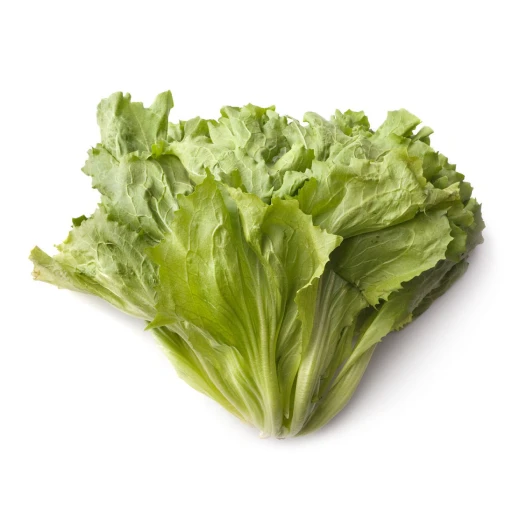
💧WaterProvide steady, deep watering (1 inch per week) to prevent leaf toughness and excessive bitterness.
🗺️Zone4a-10b
📏Height10-14 inches (25-35 cm)
Ideal pH6 – 7.2
Fava Bean, Broad Bean, Horse Bean
Vicia faba
Fabaceae
NEEasy⚠️ Mildly Toxic
☀️SunFull Sun, Partial Sun
💧WaterAbout 1 inch / 2.5 cm of water a week; even moisture through flowering and pod fill, and no standing water at harvest.
🗺️Zone3-11; frost-tolerant as a young plant and hardy enough to overwinter where winters are mild
📏Height2-4 ft (0.6-1.2 m)
Ideal pH6 – 7
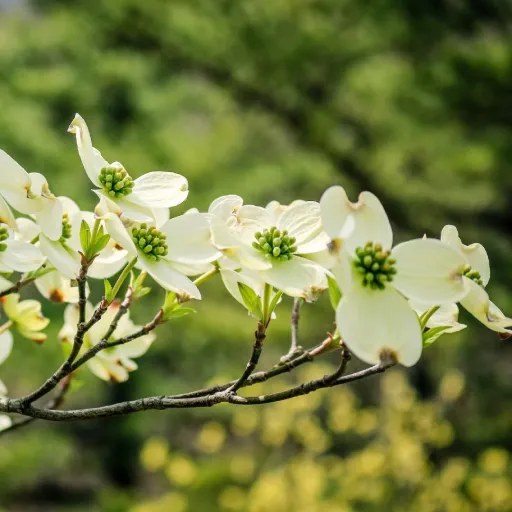
Flowering Dogwood, Eastern Flowering Dogwood, American Dogwood
Cornus florida
Cornaceae
LCModerate
☀️SunFull Sun, Partial Sun, Partial Shade
💧WaterMaintain consistent moisture through summer dry spells; provide 1 inch of supplemental irrigation weekly during establishment. Avoid overhead watering to mitigate foliar fungal spore germination.
🗺️Zone5a-9a
📏Height15-30 feet (4.5-9 m)
Ideal pH5.5 – 6.5
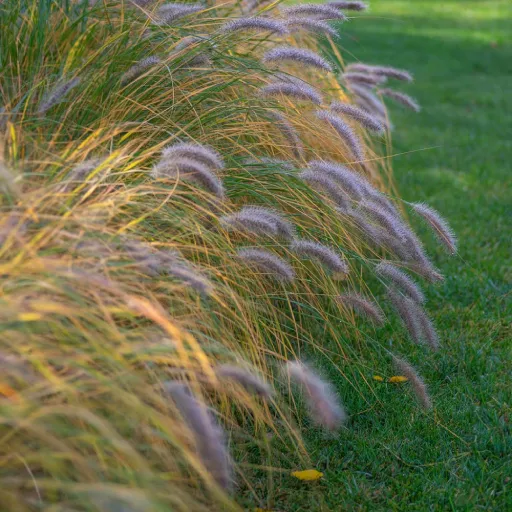
Chinese Fountain Grass, Swamp Foxtail Grass
Cenchrus alopecuroides
Poaceae
LCEasy
☀️SunFull Sun, Partial Sun
💧WaterEstablish with regular watering; mature clumps are highly drought-tolerant and require supplemental irrigation only in severe heat.
🗺️Zone5a-9b
📏Height2-4 feet (60-120 cm)
Ideal pH6 – 7.5
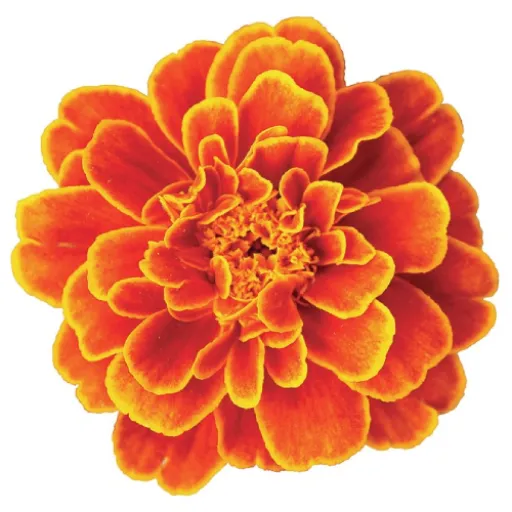
French Marigold, Marigold
Tagetes patula
Asteraceae
NEEasy⚠️ Mildly Toxic
☀️SunFull Sun
💧WaterWater regularly at soil level to keep young plants moist. Once established, allow the top inch of soil to dry between waterings. Avoid wetting foliage to prevent fungal outbreaks.
🗺️Zone2a - 11b (Grown as Annual)
📏Height0.5-1.5 feet
Ideal pH6 – 7.5
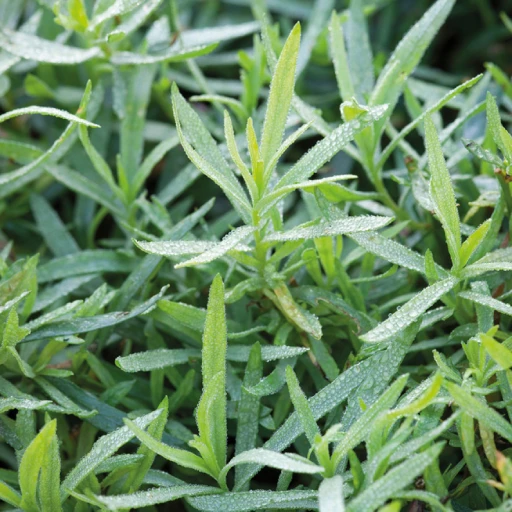
French Tarragon, Estragon, Dragon's Mugwort
Artemisia dracunculus
Asteraceae
LCModerate
☀️SunFull Sun, Partial Sun
💧WaterDraught-tolerant once established; avoid overwatering, especially in winter when wet soils rot crowns.
🗺️Zone4a-8b
📏Height2-3 feet (60-90 cm)
Ideal pH6.5 – 7.5
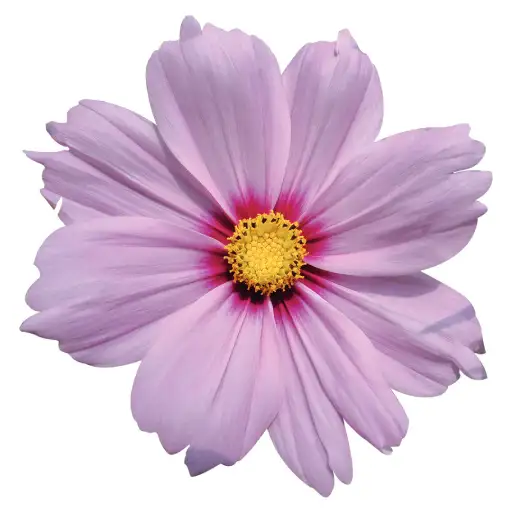
Garden Cosmos, Mexican Aster, Cut-Leaf Cosmos
Cosmos bipinnatus
Asteraceae
LCEasy
☀️SunFull Sun
💧WaterDeep, infrequent watering during prolonged droughts. Once established, plants thrive under low-moisture regimes.
🗺️Zone2a - 11b
📏Height3-6 feet
Ideal pH6 – 7.5
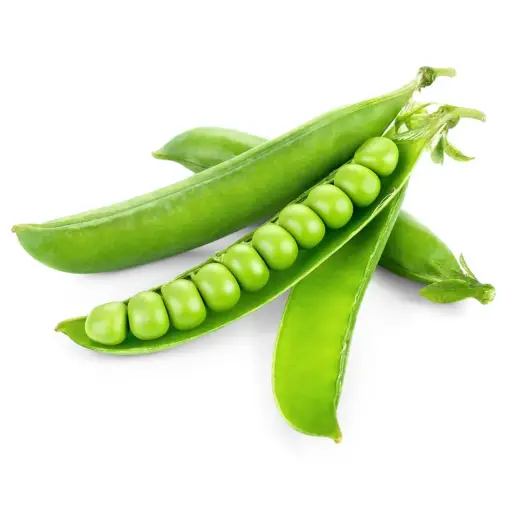
Garden Pea, English Pea, Snap Pea, Snow Pea, Shelling Pea, Field Pea
Pisum sativum
Fabaceae
LCEasy
☀️SunFull Sun, Partial Sun
💧WaterConsistent moisture required during flowering and pod fill. Approx. 1 inch per week. Avoid overhead watering to prevent fungal foliar diseases.
🗺️Zone3a - 11b (Cool-season annual; thrives in 55-70°F / 13-21°C)
📏Height1-2 feet (bush), 4-6 feet (climbing)
Ideal pH6 – 7.5
Chinese Peony, Garden Peony, Common Garden Peony
Paeonia lactiflora
Paeoniaceae
LCEasy⚠️ Mildly Toxic
☀️SunFull Sun, Partial Sun
💧WaterProvide 1 inch of water weekly during spring growth and bud swell. Once established, deep taproots tolerate dry periods; avoid overhead watering to prevent Botrytis.
🗺️Zone3a - 8b
📏Height2-3 feet
Ideal pH6.5 – 7
Beans: Soil pH, Planting Depth and Spacing (Green, Bush, Fava)
The three bean records in this database, green bean, bush bean and fava (broad bean), all sit in the same narrow soil window: pH 6.0 to 7.0, well-drained, and neither waterlogged nor droughted through pod fill. That window is not a preference, it is a biological constraint. Rhizobium nodules (the reason a bean feeds itself) stop fixing atmospheric nitrogen below about pH 6.0, and fava shows aluminium and manganese toxicity on acid ground before the common beans do. Lime to 6.0-6.5 if a test comes back under 6.0, then re-test: the correction takes months, not weeks.
Depth. Sow bean seed at about three times its own thickness and no deeper: 1 to 1.5 inches for green and bush bean, 1 to 2 inches for the larger fava seed. Sowing shallow is the safer error. Common bean will not germinate in soil still below 60°F (16°C) (seed sits and rots instead of swelling) while fava is the opposite and goes in four to six weeks before the last frost, which is why it also works as an autumn sowing. Neither wants a presoak: hydrate the bed, not the seed.
Spacing. Bush types are determinate and stop growing on their own, so 3 to 4 inches within the row and 18 to 24 inches between rows gives a canopy that closes without crowding; thinned stands dry out and crack their pods. Fava is taller and stiffer, so it takes 4 to 6 inches in the row with 24 inches between rows, and it benefits from a stake on exposed ground. Pole types are a different question: they need the trellis before the seed goes in.
After sowing. About an inch of water a week, held evenly through flowering and pod set: a dry week at first bloom drops the flower set, and a waterlogged week at harvest splits the pods. Inoculate seed if the bed has not grown a legume in the last four years, keep fresh manure out of the hole (it delays nodulation) and feed phosphorus and potash from a soil test rather than by habit. Full sun for all three. For the pH side of that, start from the soil pH by crop reference table and work out the rate with the lime requirement calculator.