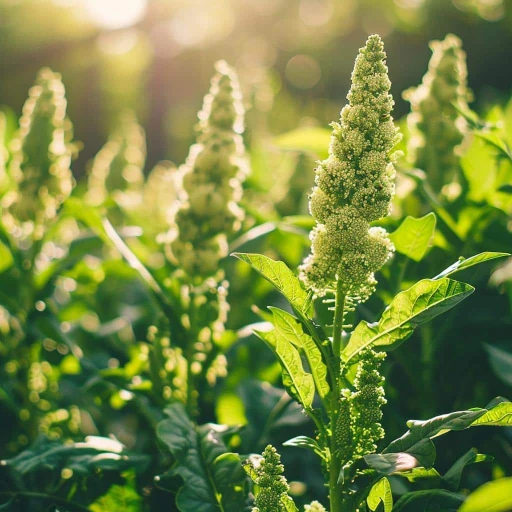
💧WaterIrrigate during germination and seedling establishment; reduce moisture drastically once flowering begins to prevent downy mildew.
🗺️Zone4a-10b
Moderate⚠️ Mildly Toxic✨ deer_resistant
📏 Height: 3-7 feet (90-210 cm)
Ideal pH6 – 8.5
herb_non_graminoidLC
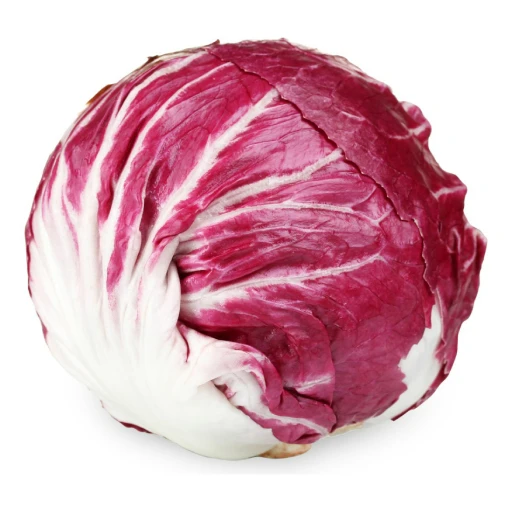
Radicchio, Italian Chicory, Red Chicory of Chioggia
Cichorium intybus
Asteraceae
☀️SunFull Sun, Partial Sun
💧WaterProvide 1 inch of water weekly. Ensure steady soil moisture during late summer head formation to avoid tipburn.
🗺️Zone4a-9b
Moderate✨ deer_resistant
📏 Height: 8-12 inches (20-30 cm)
Ideal pH6 – 7
herb_non_graminoidNE
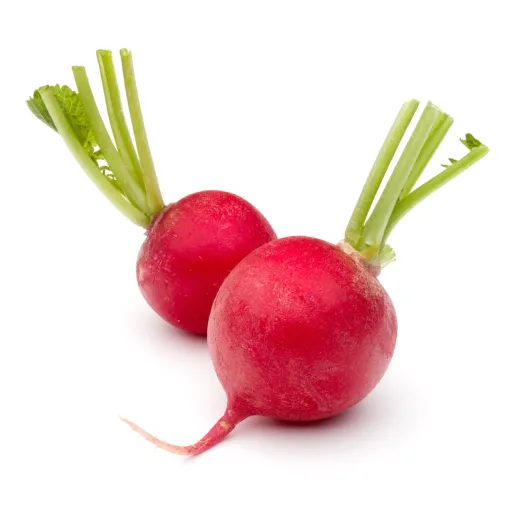
Radish, Garden Radish, Daikon, Oriental Radish
Raphanus sativus
Brassicaceae
☀️SunFull Sun, Partial Sun, Partial Shade
💧WaterProvide consistent, even moisture. Drought stress causes pithy, cracked, or excessively pungent roots.
🗺️Zone2a-10b, cultivated as a cool-season crop
Easy✨ fragrant_foliage
📏 Height: 6-12 inches foliage; up to 36 inches when flowering
Ideal pH6 – 7
subshrubLC
Red Raspberry
Rubus idaeus
Rosaceae
☀️SunFull Sun, Partial Sun, Partial Shade
💧WaterProvide 1-1.5 inches of water per week during flowering and fruiting. Use drip irrigation where possible to keep foliage dry and reduce fungal disease.
🗺️Zone3a-9b
Moderate✨ fragrant_flower
📏 Height: 4-6 feet (1.2-1.8 m), occasionally up to 8 feet (2.4 m)
Ideal pH5.5 – 6.5
herb_non_graminoidLC
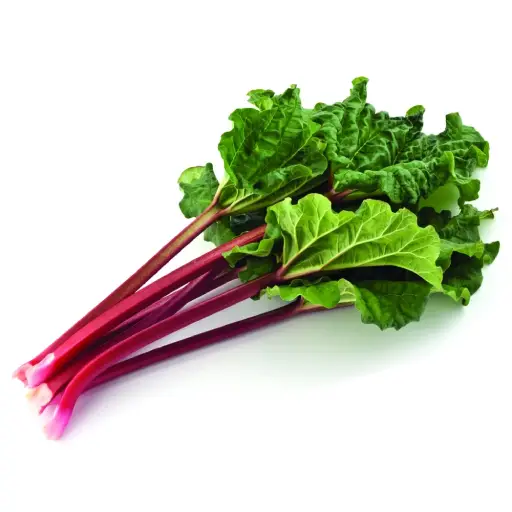
Rhubarb, Garden Rhubarb, Pie Plant
Rheum rhabarbarum
Polygonaceae
☀️SunFull Sun, Partial Sun
💧Water1-2 inches of water weekly during the active growing season; sensitive to drought stress and soil saturation.
🗺️Zone3a - 8b
Easy⚠️ Highly Toxic✨ deer_resistant
📏 Height: 2-4 feet
Ideal pH6 – 6.8
shrubNE
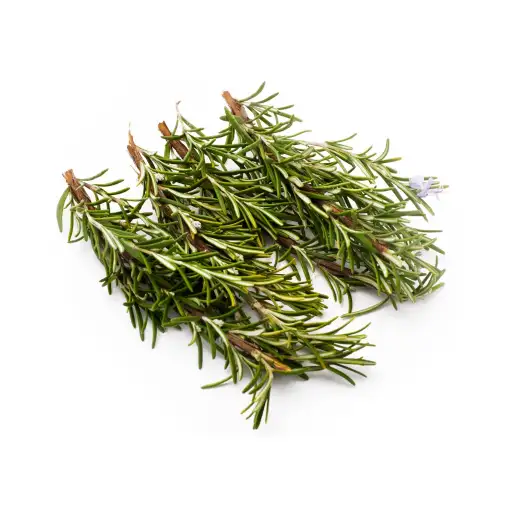
Rosemary
Salvia rosmarinus
Lamiaceae
☀️SunFull Sun
💧WaterWater deeply but infrequently. Allow soil to dry between waterings. Avoid wet foliage and poorly drained soil.
🗺️Zone8a - 10b
Easy✨ fragrant_foliage
📏 Height: 1-6 feet
Ideal pH6 – 7.8
herb_non_graminoidNE
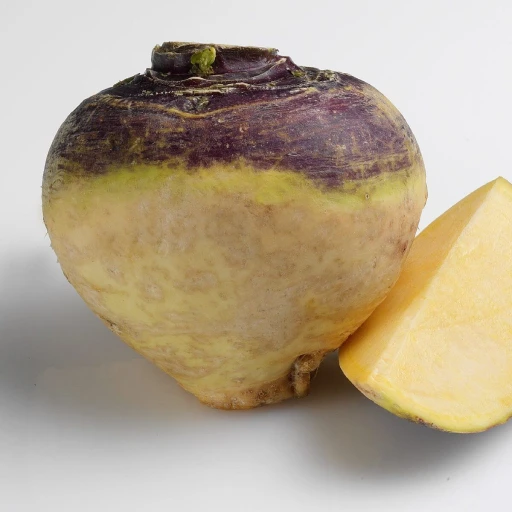
Rutabaga, Swede, Swedish Turnip, Yellow Turnip
Brassica napus
Brassicaceae
☀️SunFull Sun, Partial Sun
💧WaterMaintain even moisture (approx. 1 inch per week) to prevent root woody core and cracking.
🗺️Zone3a-9b
Easy✨ Attracts Pollinators
📏 Height: 1-2 feet (30-60 cm)
Ideal pH6 – 7
herb_non_graminoidLC
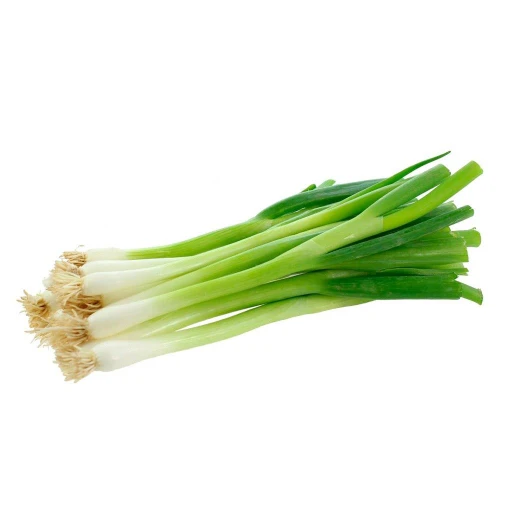
Scallion, Welsh Onion, Bunching Onion, Green Onion, Japanese Bunching Onion
Allium fistulosum
Amaryllidaceae
☀️SunFull Sun, Partial Sun
💧WaterRequires steady, moderate soil moisture; shallow root system is susceptible to drought stress.
🗺️Zone3a-9b
Easy⚠️ Mildly Toxic✨ fragrant_foliage
📏 Height: 1-2 feet (30-60 cm)
Ideal pH6.2 – 7.2
herb_non_graminoidLC
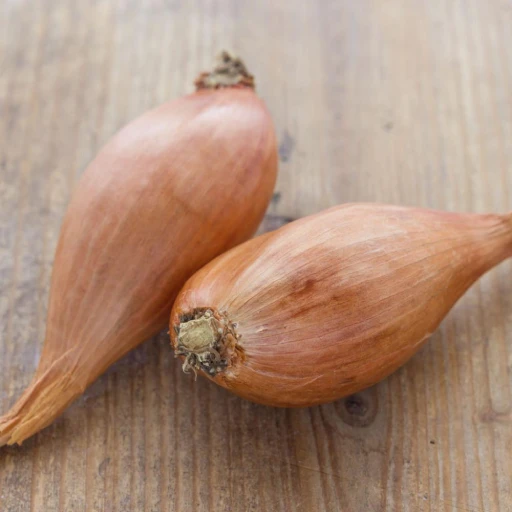
Shallot, French Shallot, Multiplier Onion, Eschalot
Allium cepa
Amaryllidaceae
☀️SunFull Sun
💧WaterMaintain consistent moisture through spring bulb formation; cease watering once tops begin to collapse and lodge to encourage bulb curing.
🗺️Zone4a-9b
Easy⚠️ Mildly Toxic✨ fragrant_foliage
📏 Height: 1-1.5 feet (30-45 cm)
Ideal pH6 – 7
succulent_leafLC
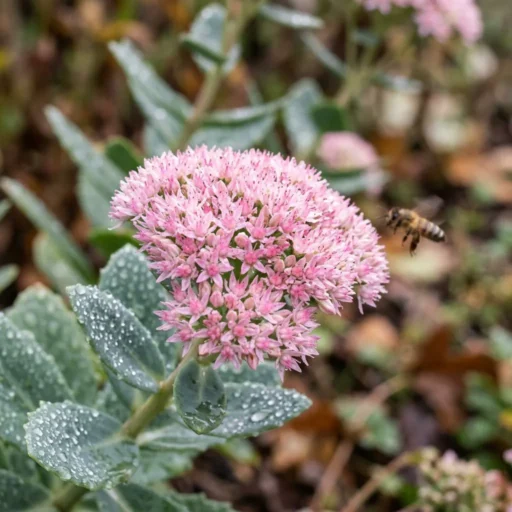
Showy Stonecrop, Butterfly Stonecrop, Iceplant
Hylotelephium spectabile
Crassulaceae
☀️SunFull Sun, Partial Sun
💧WaterWater during initial establishment; mature plants thrive solely on natural rainfall in well-draining soil.
🗺️Zone3a-9b
Easy⚠️ Mildly Toxic✨ deer_resistant
📏 Height: 1.5-2 feet (45-60 cm)
Ideal pH6 – 7.8
treeLC
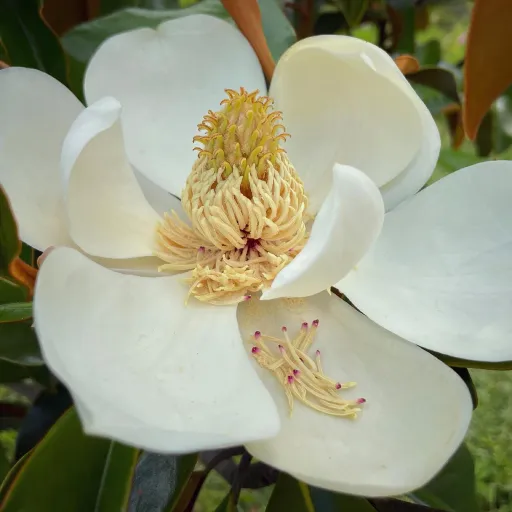
Southern Magnolia, Bull Bay, Evergreen Magnolia
Magnolia grandiflora
Magnoliaceae
☀️SunFull Sun, Partial Sun
💧WaterWater regularly throughout early establishment; mature trees develop extensive root networks and withstand moderate seasonal dry periods.
💧WaterDeep, consistent watering (1-1.5 inches/week) at soil level; avoid wetting leaves to discourage foliar blights.
🗺️Zone3a-11b
Easy✨ Attracts Pollinators
📏 Height: 1-2 feet (30-60 cm)
Ideal pH6 – 6.8
Beans: Soil pH, Planting Depth and Spacing (Green, Bush, Fava)
The three bean records in this database, green bean, bush bean and fava (broad bean), all sit in the same narrow soil window: pH 6.0 to 7.0, well-drained, and neither waterlogged nor droughted through pod fill. That window is not a preference, it is a biological constraint. Rhizobium nodules (the reason a bean feeds itself) stop fixing atmospheric nitrogen below about pH 6.0, and fava shows aluminium and manganese toxicity on acid ground before the common beans do. Lime to 6.0-6.5 if a test comes back under 6.0, then re-test: the correction takes months, not weeks.
Depth. Sow bean seed at about three times its own thickness and no deeper: 1 to 1.5 inches for green and bush bean, 1 to 2 inches for the larger fava seed. Sowing shallow is the safer error. Common bean will not germinate in soil still below 60°F (16°C) (seed sits and rots instead of swelling) while fava is the opposite and goes in four to six weeks before the last frost, which is why it also works as an autumn sowing. Neither wants a presoak: hydrate the bed, not the seed.
Spacing. Bush types are determinate and stop growing on their own, so 3 to 4 inches within the row and 18 to 24 inches between rows gives a canopy that closes without crowding; thinned stands dry out and crack their pods. Fava is taller and stiffer, so it takes 4 to 6 inches in the row with 24 inches between rows, and it benefits from a stake on exposed ground. Pole types are a different question: they need the trellis before the seed goes in.
After sowing. About an inch of water a week, held evenly through flowering and pod set: a dry week at first bloom drops the flower set, and a waterlogged week at harvest splits the pods. Inoculate seed if the bed has not grown a legume in the last four years, keep fresh manure out of the hole (it delays nodulation) and feed phosphorus and potash from a soil test rather than by habit. Full sun for all three. For the pH side of that, start from the soil pH by crop reference table and work out the rate with the lime requirement calculator.