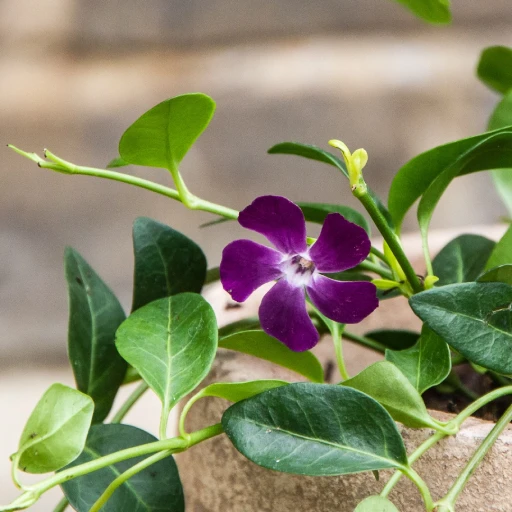
Lesser Periwinkle, Common Periwinkle, Myrtle, Dwarf Vinca
Vinca minor
Apocynaceae
LCEasy⚠️ Highly Toxic
☀️SunPartial Shade, Full Shade, Partial Sun
💧WaterWater regularly during the first growing season to establish root network; highly drought tolerant once established in shaded microclimates.
🗺️Zone4a-9b
📏Height3-6 inches (8-15 cm)
Ideal pH6 – 7.5
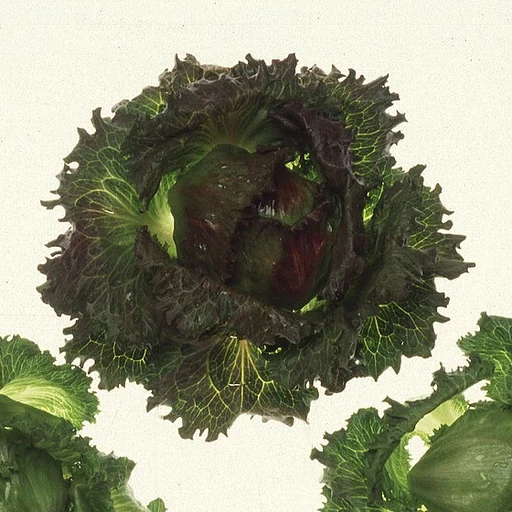
Garden Lettuce
Lactuca sativa
Asteraceae
NEEasy
☀️SunFull Sun, Partial Sun, Partial Shade
💧WaterKeep the soil evenly moist, about 1 inch of water per week. Water at soil level in the morning so foliage dries quickly and bottom rot stays low.
🗺️ZoneAnnual; tolerates light frost to about 25°F (-4°C)
📏Height6-12 inches (15-30 cm) for leaf types; 10-14 inches (25-36 cm) for heading types
Ideal pH6 – 7
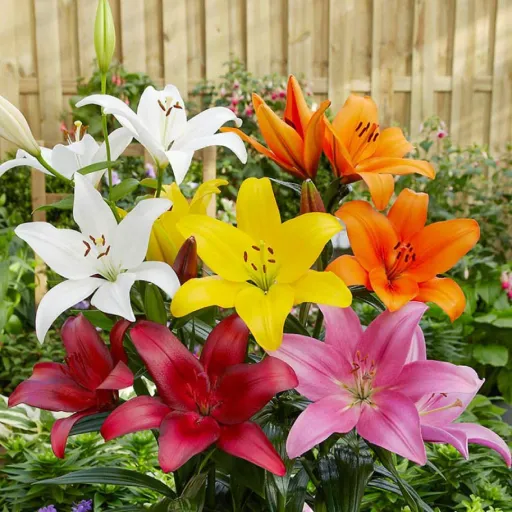
Asiatic Lily, Oriental Lily, Garden Hybrid Lily
Lilium hybrids
Liliaceae
NEEasy⚠️ Highly Toxic
☀️SunFull Sun, Partial Sun
💧WaterProvide roughly 1 inch of water weekly during active vegetative growth and flowering; ensure perfect sub-surface drainage around the basal plate.
🗺️Zone3a-9b
📏Height2-5 feet (60-150 cm)
Ideal pH5.8 – 6.8
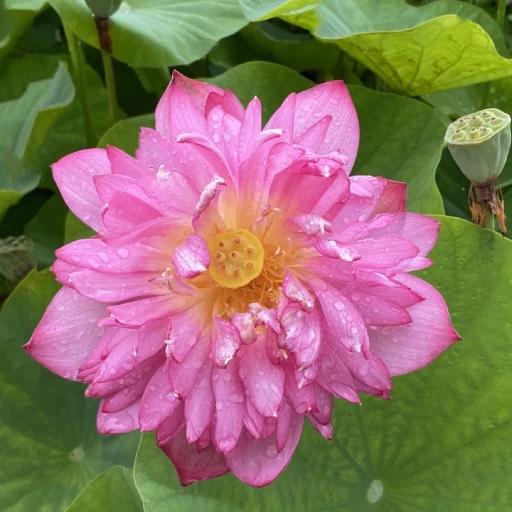
Sacred Lotus, Indian Lotus, Bean of India, Nelumbo
Nelumbo nucifera
Nelumbonaceae
LCModerate
☀️SunFull Sun
💧WaterSubmerge under 15-50 cm of warm standing water with at least 6 hours of direct sun daily.
🗺️Zone4a-11b
📏Height3-6 feet (90-180 cm emergent)
Ideal pH6.5 – 8
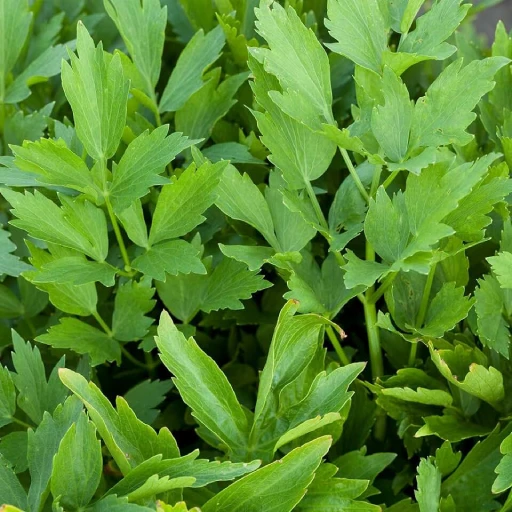
Lovage, Sea Parsley, Maggi Plant
Levisticum officinale
Apiaceae
LCEasy⚠️ Mildly Toxic
☀️SunFull Sun, Partial Sun
💧WaterRequires steady soil moisture; mulching around root zone prevents drought stress.
🗺️Zone3a-9b
📏Height5-8 feet (150-240 cm)
Ideal pH6 – 7
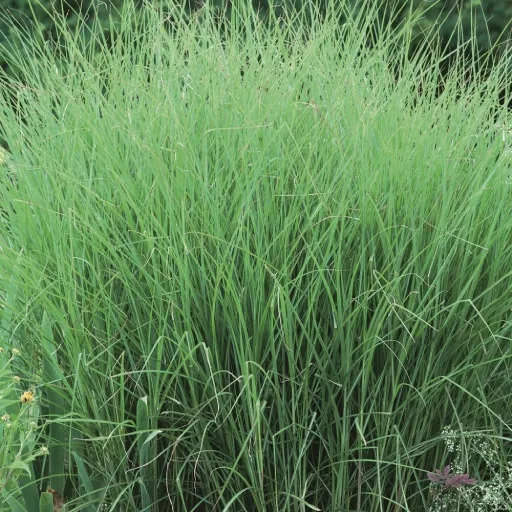
Japanese Silver Grass, Chinese Silver Grass, Eulalia
Miscanthus sinensis
Poaceae
LCEasy
☀️SunFull Sun, Partial Sun
💧WaterWater regularly during first season; once established, natural rainfall is typically sufficient.
🗺️Zone4a-9b
📏Height4-8 feet (120-240 cm)
Ideal pH5.5 – 7.5
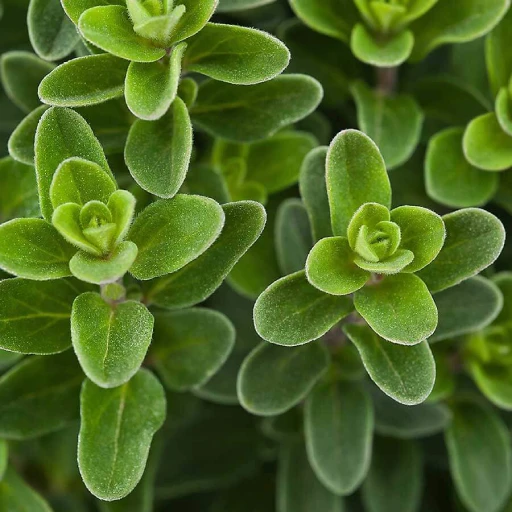
Sweet Marjoram, Knotted Marjoram, Majoram
Origanum majorana
Lamiaceae
LCEasy
☀️SunFull Sun
💧WaterAllow soil to dry thoroughly between deep waterings; avoid crown saturation.
🗺️Zone7a-10b
📏Height1-2 feet (30-60 cm)
Ideal pH6.5 – 7.8
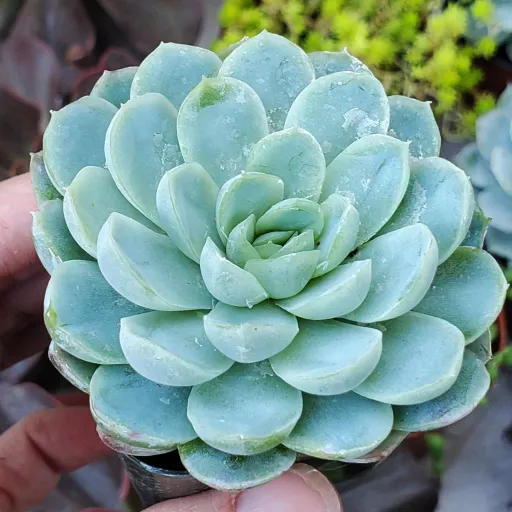
Mexican Snowball, White Mexican Rose, Pearl of Hidalgo
Echeveria elegans
Crassulaceae
LCEasy
☀️SunFull Sun, Partial Sun
💧WaterSoak and dry method; allow potting medium to dry out 100% between waterings. Avoid water collection inside rosette apex.
🗺️Zone9a-11b
📏Height3-6 inches (8-15 cm)
Ideal pH6 – 7.2
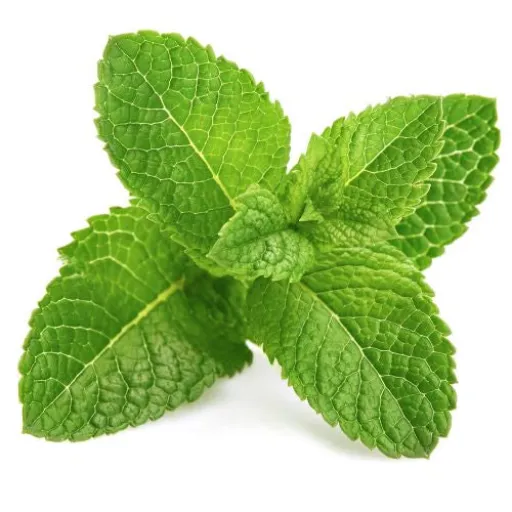
Peppermint, Brandy Mint, Balm Mint, Lambs Mint
Mentha × piperita
Lamiaceae
LCEasy⚠️ Mildly Toxic
☀️SunFull Sun, Partial Sun, Partial Shade
💧WaterKeep soil consistently moist but not stagnant; water more frequently in full sun and containers.
🗺️Zone3a-9b
📏Height30-90 cm (1-3 feet)
Ideal pH5.5 – 7.5
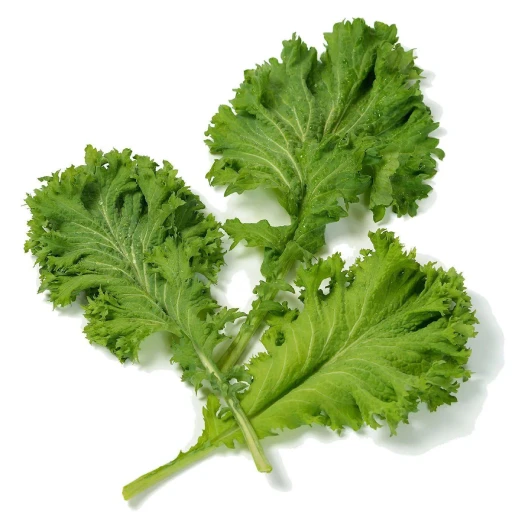
Mustard Greens, Brown Mustard, Indian Mustard, Leaf Mustard
Brassica juncea
Brassicaceae
LCEasy
☀️SunFull Sun, Partial Sun, Partial Shade
💧WaterProvide moderate, steady moisture to keep leaves tender; dry conditions accelerate bolting and intensify bitterness.
🗺️Zone2a-11b
📏Height1.5-3 feet (45-90 cm)
Ideal pH6 – 7.5
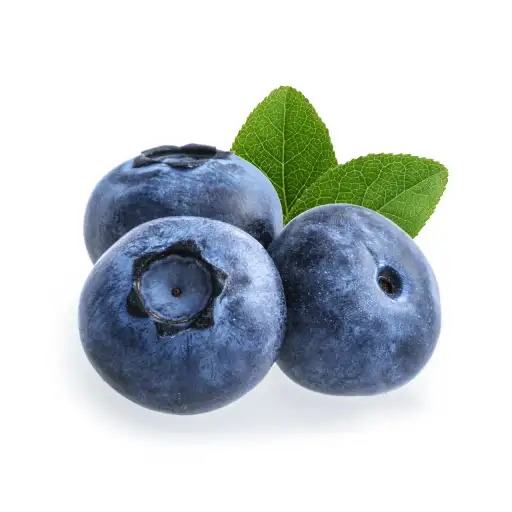
Northern Highbush Blueberry
Vaccinium corymbosum
Ericaceae
LCModerate
☀️SunFull Sun, Partial Sun, Partial Shade
💧WaterProvide 1-2 inches of water per week, especially from bloom through fruit set and during late summer flower bud formation. Drip irrigation is preferred. Mulch with pine needles, pine bark, or wood chips to conserve moisture and maintain soil acidity.
🗺️Zone3a-7b
📏Height6-12 feet (1.8-3.6 meters)
Ideal pH4.5 – 5.5
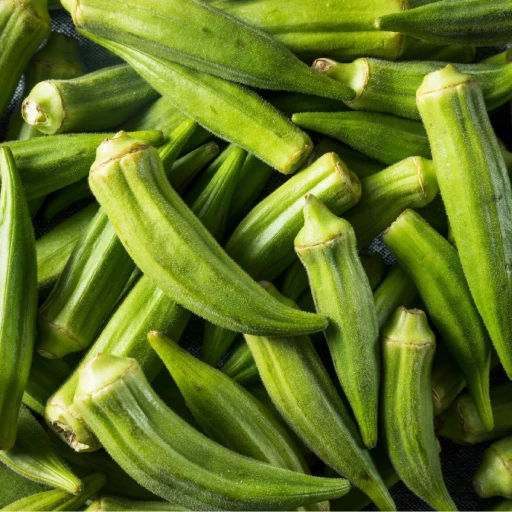
Okra, Gumbo, Lady's Finger, Bhindi
Abelmoschus esculentus
Malvaceae
LCEasy
☀️SunFull Sun
💧WaterWater regularly during flowering and pod development; tolerates dry spells once root system is deep.
🗺️Zone2a-11b
📏Height4-7 feet (120-210 cm)
Ideal pH6 – 7.5
Beans: Soil pH, Planting Depth and Spacing (Green, Bush, Fava)
The three bean records in this database, green bean, bush bean and fava (broad bean), all sit in the same narrow soil window: pH 6.0 to 7.0, well-drained, and neither waterlogged nor droughted through pod fill. That window is not a preference, it is a biological constraint. Rhizobium nodules (the reason a bean feeds itself) stop fixing atmospheric nitrogen below about pH 6.0, and fava shows aluminium and manganese toxicity on acid ground before the common beans do. Lime to 6.0-6.5 if a test comes back under 6.0, then re-test: the correction takes months, not weeks.
Depth. Sow bean seed at about three times its own thickness and no deeper: 1 to 1.5 inches for green and bush bean, 1 to 2 inches for the larger fava seed. Sowing shallow is the safer error. Common bean will not germinate in soil still below 60°F (16°C) (seed sits and rots instead of swelling) while fava is the opposite and goes in four to six weeks before the last frost, which is why it also works as an autumn sowing. Neither wants a presoak: hydrate the bed, not the seed.
Spacing. Bush types are determinate and stop growing on their own, so 3 to 4 inches within the row and 18 to 24 inches between rows gives a canopy that closes without crowding; thinned stands dry out and crack their pods. Fava is taller and stiffer, so it takes 4 to 6 inches in the row with 24 inches between rows, and it benefits from a stake on exposed ground. Pole types are a different question: they need the trellis before the seed goes in.
After sowing. About an inch of water a week, held evenly through flowering and pod set: a dry week at first bloom drops the flower set, and a waterlogged week at harvest splits the pods. Inoculate seed if the bed has not grown a legume in the last four years, keep fresh manure out of the hole (it delays nodulation) and feed phosphorus and potash from a soil test rather than by habit. Full sun for all three. For the pH side of that, start from the soil pH by crop reference table and work out the rate with the lime requirement calculator.