💧WaterRequires consistent moisture during vegetative growth and bulbing. Stop watering completely when 50% of the foliage tops have naturally fallen over (lodged) to allow bulbs to cure in the soil.
🗺️Zone3-9 (Winter hardy for overwintering varieties)
Easy⚠️ Mildly Toxic✨ fragrant_foliage
📏 Height: 12-18 inches (foliage); up to 36 inches if flowering
Ideal pH6 – 7
herb_non_graminoidNE
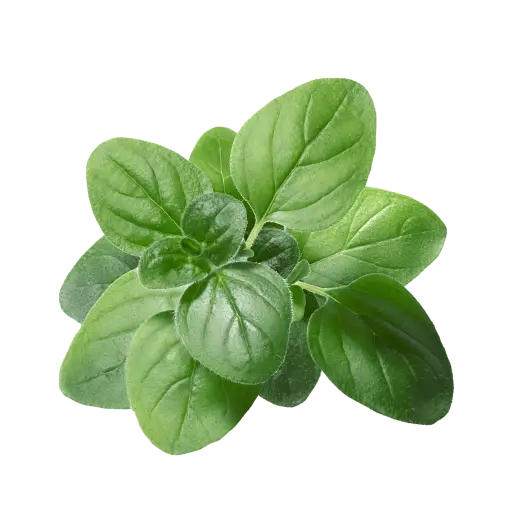
Oregano, Wild Marjoram, Pot Marjoram, European Oregano, Greek Oregano (horticultural usage)
Origanum vulgare
Lamiaceae
☀️SunFull Sun, Partial Sun
💧WaterWater deeply but infrequently; allow soil to dry between irrigation. Dry conditions improve essential-oil concentration.
🗺️Zone4a-9b
Easy✨ fragrant_foliage
📏 Height: 30-90 cm (1-3 ft)
Ideal pH6 – 8
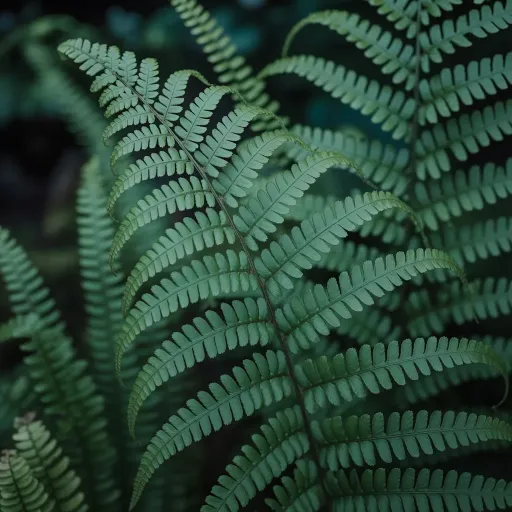
fernLC
Ostrich Fern, Fiddlehead Fern, Shuttlecock Fern
Matteuccia struthiopteris
Onocleaceae
☀️SunPartial Shade, Full Shade
💧WaterRequires consistently moist to wet soil. Must never dry out during active frond expansion.
🗺️Zone2a - 7b
Easy⚠️ Mildly Toxic✨ deer_resistant
📏 Height: 3-6 feet
Ideal pH5.5 – 6.8
herb_non_graminoidNE
Garden Pansy, Hybrid Pansy, Stepmother's Flower
Viola wittrockiana
Violaceae
☀️SunFull Sun, Partial Sun, Partial Shade
💧WaterMaintain consistent, uniform moisture. Water at ground level early in the day to minimize foliar fungal infections.
🗺️Zone4a - 9b
Easy✨ fragrant_flower
📏 Height: 6-9 inches
Ideal pH5.4 – 6.2
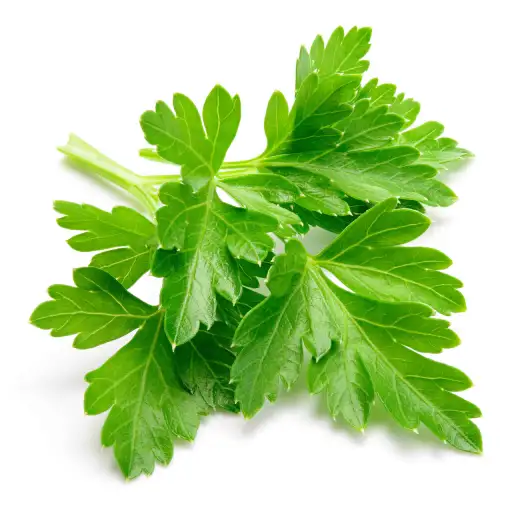
herb_non_graminoidNE
Parsley, Garden Parsley, Petroselinum
Petroselinum crispum
Apiaceae
☀️SunFull Sun, Partial Sun, Partial Shade
💧WaterKeep soil consistently moist but not saturated. Provide about 1 inch of water per week and mulch to reduce bolting.
🗺️Zone4-9; grown as an annual in all zones
Easy⚠️ Mildly Toxic✨ fragrant_foliage
📏 Height: 12-24 inches
Ideal pH6 – 7
herb_non_graminoidLC
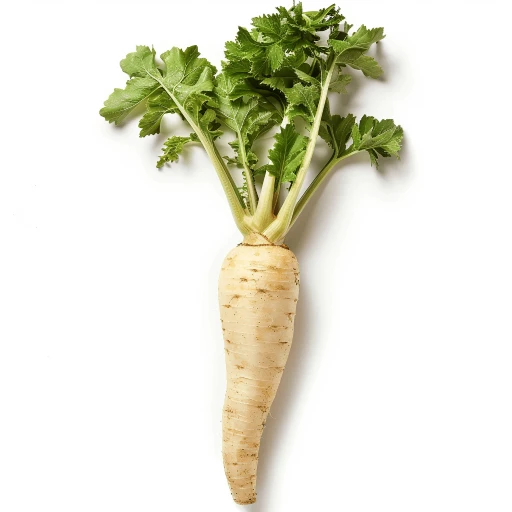
Parsnip, Garden Parsnip, Wild Parsnip (wild form)
Pastinaca sativa
Apiaceae
☀️SunFull Sun, Partial Sun
💧WaterEnsure deep, even watering during summer root expansion to prevent root splitting and woody cores.
🗺️Zone2a-9b
Moderate⚠️ Mildly Toxic✨ deer_resistant
📏 Height: 2-4 feet (60-120 cm)
Ideal pH6 – 7
herb_non_graminoidLC
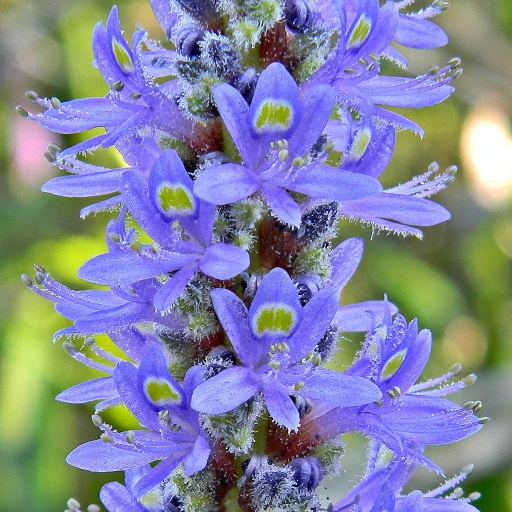
Pickerelweed, Blue Pickerel, Heartleaf Pickerelweed
Pontederia cordata
Pontederiaceae
☀️SunFull Sun, Partial Sun
💧WaterMust be kept in continuously submerged or saturated substrates. Submerge crown under 2 to 12 inches (5-30 cm) of standing water.
🗺️Zone3a-10b
Easy✨ deer_resistant
📏 Height: 2-4 feet (60-120 cm)
Ideal pH5.5 – 7
herb_graminoidLC
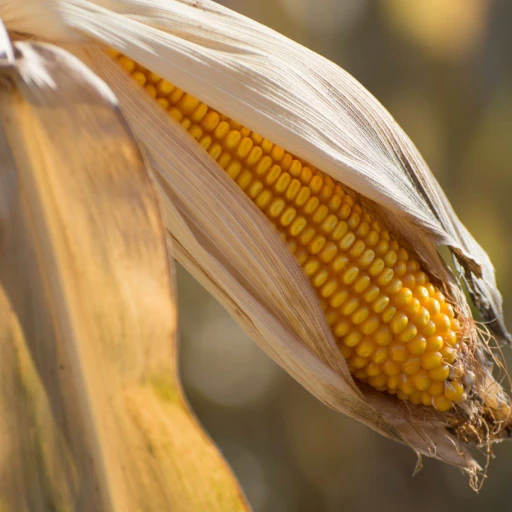
Popcorn, Popping Corn
Zea mays
Poaceae
☀️SunFull Sun
💧WaterProvide 1-1.5 inches of water weekly; critical moisture periods occur during silking, tasseling, and kernel development.
💧WaterProvide consistent moisture, about 1-2 inches per week, especially during tuber initiation and bulking. Avoid waterlogged soil to reduce tuber rot.
🗺️ZoneUSDA 3-10 as annual; 8-10 may overwinter tubers or volunteers
Easy⚠️ Highly Toxic✨ deer_resistant
📏 Height: 1.5-2 feet
Ideal pH4.8 – 6.5
succulent_stemDD
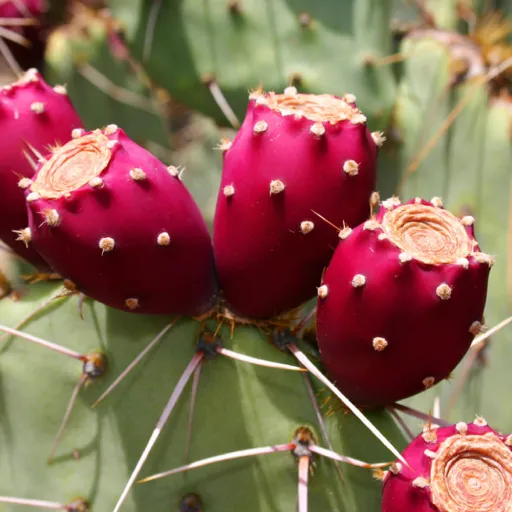
Indian Fig Prickly Pear, Nopal, Tuna Cactus, Barbary Fig
Opuntia ficus-indica
Cactaceae
☀️SunFull Sun
💧WaterIrrigate lightly during early cladode emergence to maximize crop yield; otherwise entirely drought-tolerant.
🗺️Zone8b-11b
Easy✨ deer_resistant
📏 Height: 10-15 feet (3-5 m)
Ideal pH6 – 8.5
climberLC
Field Pumpkin, Sugar Pumpkin, Jack-o'-Lantern
Cucurbita pepo
Cucurbitaceae
☀️SunFull Sun
💧WaterDeep, regular irrigation of 1-2 inches per week applied directly at soil level to prevent foliar fungal diseases like powdery mildew.
🗺️Zone3a-11b
Easy✨ Attracts Pollinators
📏 Height: 1.5-2.5 feet (45-75 cm)
Ideal pH6 – 6.8
herb_non_graminoidLC
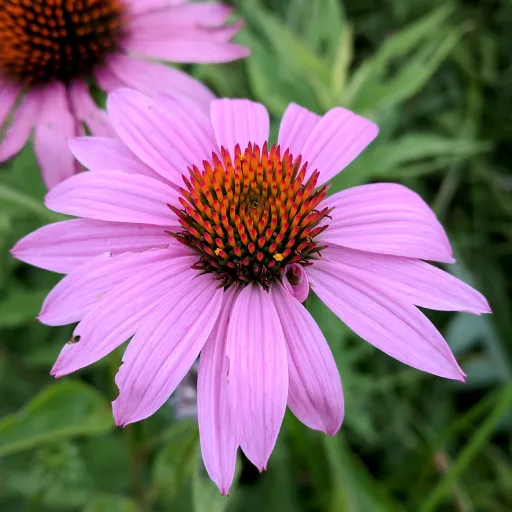
Purple Coneflower, Eastern Purple Coneflower
Echinacea purpurea
Asteraceae
☀️SunFull Sun, Partial Sun
💧WaterLow; drought-tolerant once established. Supplementary water during severe heat waves improves flowering duration.
🗺️Zone3a-9b
Easy✨ deer_resistant
📏 Height: 2-4 feet (60-120 cm)
Ideal pH6 – 7.5
Beans: Soil pH, Planting Depth and Spacing (Green, Bush, Fava)
The three bean records in this database, green bean, bush bean and fava (broad bean), all sit in the same narrow soil window: pH 6.0 to 7.0, well-drained, and neither waterlogged nor droughted through pod fill. That window is not a preference, it is a biological constraint. Rhizobium nodules (the reason a bean feeds itself) stop fixing atmospheric nitrogen below about pH 6.0, and fava shows aluminium and manganese toxicity on acid ground before the common beans do. Lime to 6.0-6.5 if a test comes back under 6.0, then re-test: the correction takes months, not weeks.
Depth. Sow bean seed at about three times its own thickness and no deeper: 1 to 1.5 inches for green and bush bean, 1 to 2 inches for the larger fava seed. Sowing shallow is the safer error. Common bean will not germinate in soil still below 60°F (16°C) (seed sits and rots instead of swelling) while fava is the opposite and goes in four to six weeks before the last frost, which is why it also works as an autumn sowing. Neither wants a presoak: hydrate the bed, not the seed.
Spacing. Bush types are determinate and stop growing on their own, so 3 to 4 inches within the row and 18 to 24 inches between rows gives a canopy that closes without crowding; thinned stands dry out and crack their pods. Fava is taller and stiffer, so it takes 4 to 6 inches in the row with 24 inches between rows, and it benefits from a stake on exposed ground. Pole types are a different question: they need the trellis before the seed goes in.
After sowing. About an inch of water a week, held evenly through flowering and pod set: a dry week at first bloom drops the flower set, and a waterlogged week at harvest splits the pods. Inoculate seed if the bed has not grown a legume in the last four years, keep fresh manure out of the hole (it delays nodulation) and feed phosphorus and potash from a soil test rather than by habit. Full sun for all three. For the pH side of that, start from the soil pH by crop reference table and work out the rate with the lime requirement calculator.