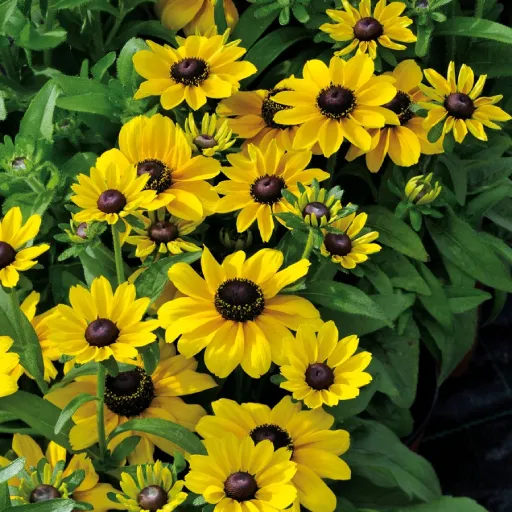
💧WaterLow to moderate; requires moderate moisture to establish, then becomes exceptionally drought tolerant. Avoid overhead watering to prevent foliar fungal disease.
🗺️Zone3a - 9b
📏Height1-3 feet
Ideal pH6 – 7.2
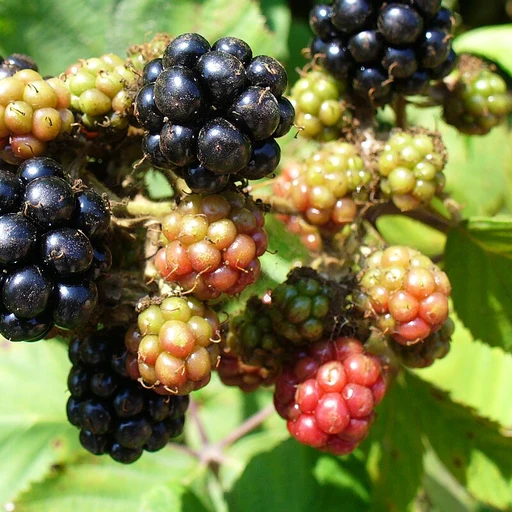
Common Blackberry
Rubus fruticosus
Rosaceae
LCModerate
☀️SunFull Sun, Partial Sun, Partial Shade
💧WaterProvide 1-1.5 inches of water weekly during flowering and fruiting. Drip irrigation keeps foliage dry and cuts Botrytis and cane disease pressure.
🗺️Zone4a-9b
📏Height6-10 feet (1.8-3 m) on arching canes
Ideal pH5.5 – 6.5
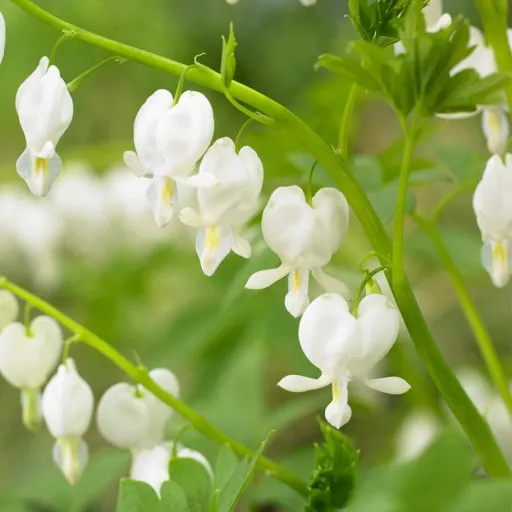
Old-Fashioned Bleeding Heart, Lady in a Bath, Lyre Flower
Lamprocapnos spectabilis
Papaveraceae
LCEasy⚠️ Highly Toxic
☀️SunPartial Sun, Partial Shade, Full Shade
💧WaterMedium to moist. Maintain consistent soil moisture throughout spring. Allow soil to dry slightly once dormant in mid-summer.
🗺️Zone3a-9b
📏Height2-3 feet (60-90 cm)
Ideal pH6 – 7.5
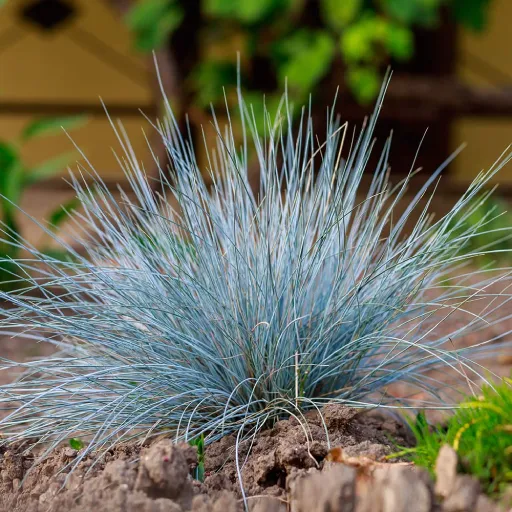
Blue Fescue, Grey Fescue
Festuca glauca
Poaceae
LCEasy
☀️SunFull Sun
💧WaterLow; drought-tolerant once rooted. Excess moisture causes crown rot.
🗺️Zone4a-8b
📏Height8-12 inches (20-30 cm)
Ideal pH6 – 7.5
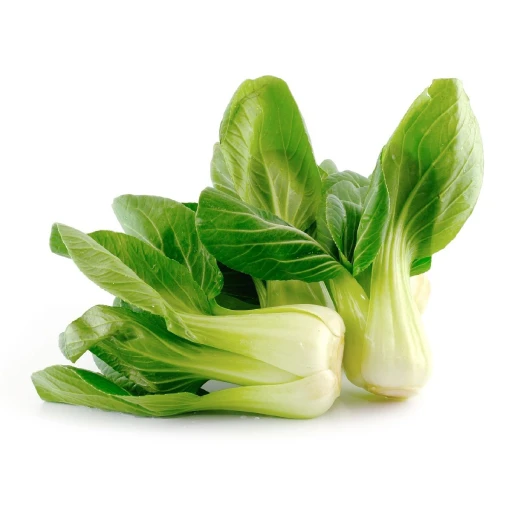
Bok Choy, Pak Choi, Chinese White Cabbage
Brassica rapa
Brassicaceae
LCEasy
☀️SunFull Sun, Partial Sun, Partial Shade
💧WaterKeep soil evenly moist; drought stress or high summer temperatures will trigger premature bolting (flowering).
🗺️Zone2a-11b
📏Height0.5-1.5 feet (15-45 cm)
Ideal pH6 – 7.5
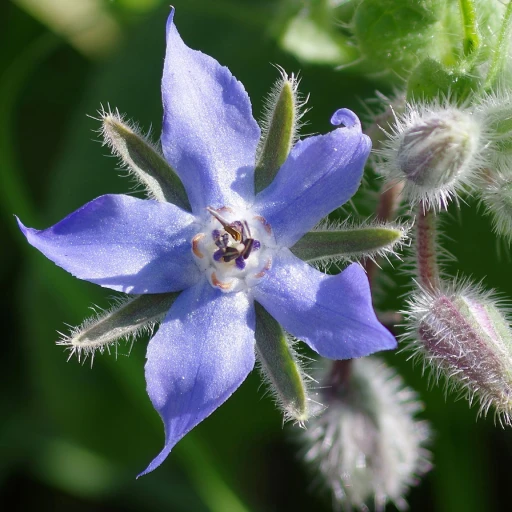
Borage, Starflower, Bee Bread
Borago officinalis
Boraginaceae
LCEasy⚠️ Mildly Toxic
☀️SunFull Sun, Partial Sun
💧WaterModerate regular water; deep taproot provides drought resistance once mature.
🗺️Zone2a-11b
📏Height1.5-3 feet (45-90 cm)
Ideal pH6 – 7.5
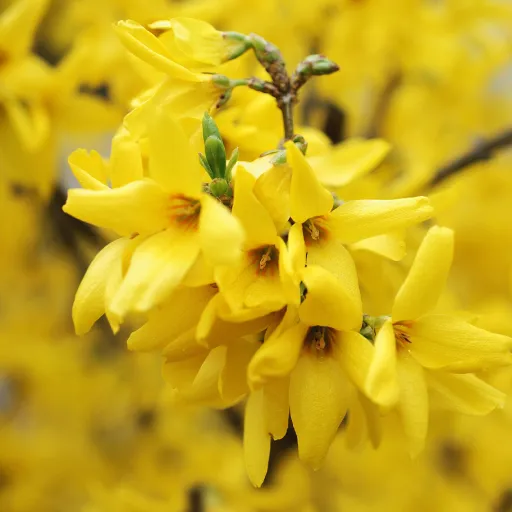
Border Forsythia, Golden Bells
Forsythia intermedia
Oleaceae
NEEasy
☀️SunFull Sun, Partial Sun
💧WaterModerate. Needs consistent moisture during establishment; moderately drought-tolerant once mature.
🗺️Zone5a - 8b
📏Height8-10 feet
Ideal pH5.5 – 7.5
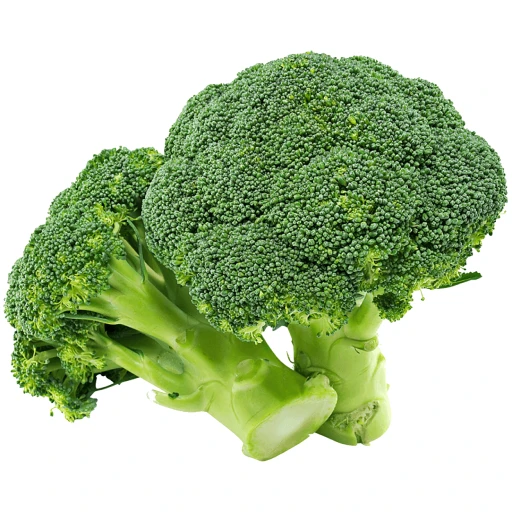
Broccoli, Calabrese Broccoli, Sprouting Broccoli
Brassica oleracea
Brassicaceae
LCModerate
☀️SunFull Sun, Partial Sun
💧WaterMaintain consistent soil moisture with 1-1.5 inches of water per week; avoid overhead watering on developing heads.
🗺️Zone2a-11b
📏Height1.5-2.5 feet (45-75 cm)
Ideal pH6 – 7
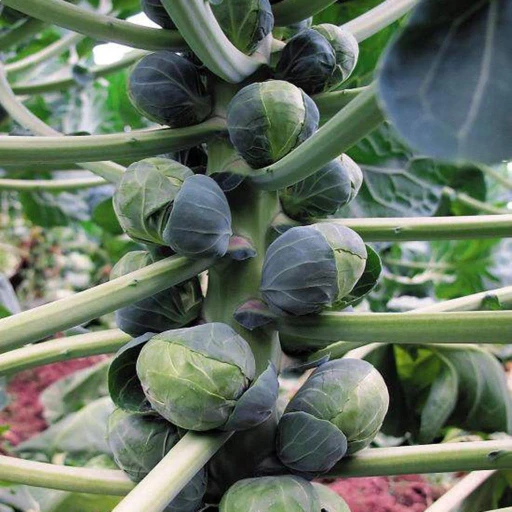
Brussels Sprouts, Gemmifera Group
Brassica oleracea
Brassicaceae
NEDifficult
☀️SunFull Sun, Partial Sun
💧WaterMaintain constant soil moisture (1-1.5 inches weekly); shallow root systems require organic mulching to prevent moisture stress.
🗺️Zone2a - 9b
📏Height2-3.5 feet (60-105 cm)
Ideal pH6.5 – 7.5
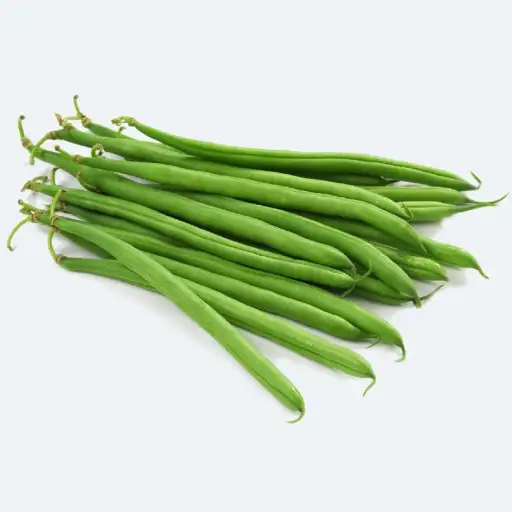
Bush Bean, Snap Bean, String Bean
Phaseolus vulgaris
Fabaceae
NEEasy⚠️ Mildly Toxic
☀️SunFull Sun
💧WaterProvide about 1 inch / 2.5 cm of water per week. Maintain even moisture during flowering and pod development. Drip irrigation is preferred to reduce foliar disease.
🗺️Zone2-11; grown as a frost-free summer annual, direct sown once soil holds 60°F (16°C)
📏Height1-2 ft (0.3-0.6 m)
Ideal pH6 – 7
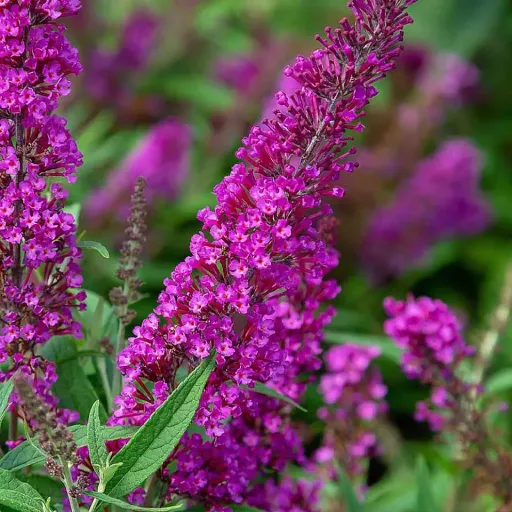
Butterfly Bush, Summer Lilac, Orange Eye
Buddleja davidii
Scrophulariaceae
LCEasy
☀️SunFull Sun
💧WaterDrought-tolerant once established. Requires deep watering only during prolonged summer dry periods.
🗺️Zone5a - 9b
📏Height6-10 feet
Ideal pH6 – 7.5
Beans: Soil pH, Planting Depth and Spacing (Green, Bush, Fava)
The three bean records in this database, green bean, bush bean and fava (broad bean), all sit in the same narrow soil window: pH 6.0 to 7.0, well-drained, and neither waterlogged nor droughted through pod fill. That window is not a preference, it is a biological constraint. Rhizobium nodules (the reason a bean feeds itself) stop fixing atmospheric nitrogen below about pH 6.0, and fava shows aluminium and manganese toxicity on acid ground before the common beans do. Lime to 6.0-6.5 if a test comes back under 6.0, then re-test: the correction takes months, not weeks.
Depth. Sow bean seed at about three times its own thickness and no deeper: 1 to 1.5 inches for green and bush bean, 1 to 2 inches for the larger fava seed. Sowing shallow is the safer error. Common bean will not germinate in soil still below 60°F (16°C) (seed sits and rots instead of swelling) while fava is the opposite and goes in four to six weeks before the last frost, which is why it also works as an autumn sowing. Neither wants a presoak: hydrate the bed, not the seed.
Spacing. Bush types are determinate and stop growing on their own, so 3 to 4 inches within the row and 18 to 24 inches between rows gives a canopy that closes without crowding; thinned stands dry out and crack their pods. Fava is taller and stiffer, so it takes 4 to 6 inches in the row with 24 inches between rows, and it benefits from a stake on exposed ground. Pole types are a different question: they need the trellis before the seed goes in.
After sowing. About an inch of water a week, held evenly through flowering and pod set: a dry week at first bloom drops the flower set, and a waterlogged week at harvest splits the pods. Inoculate seed if the bed has not grown a legume in the last four years, keep fresh manure out of the hole (it delays nodulation) and feed phosphorus and potash from a soil test rather than by habit. Full sun for all three. For the pH side of that, start from the soil pH by crop reference table and work out the rate with the lime requirement calculator.