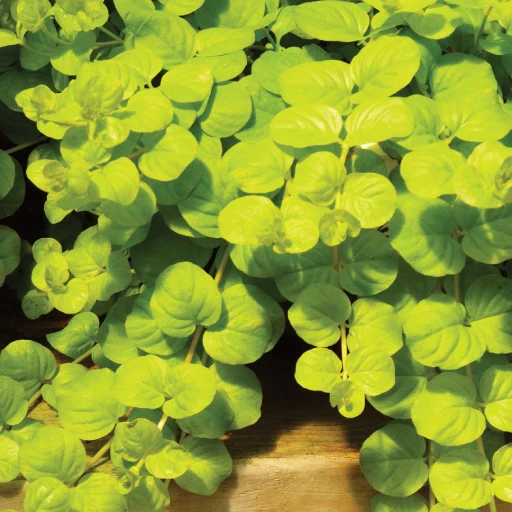
Creeping Jenny, Moneywort, Twopenny Grass, Herb Twopence
Lysimachia nummularia
Primulaceae
LCEasy
☀️SunFull Sun, Partial Sun, Partial Shade
💧WaterKeep consistently moist to wet; does not tolerate dry periods.
🗺️Zone3a-9b
📏Height2-4 inches (5-10 cm)
Ideal pH6 – 7.8
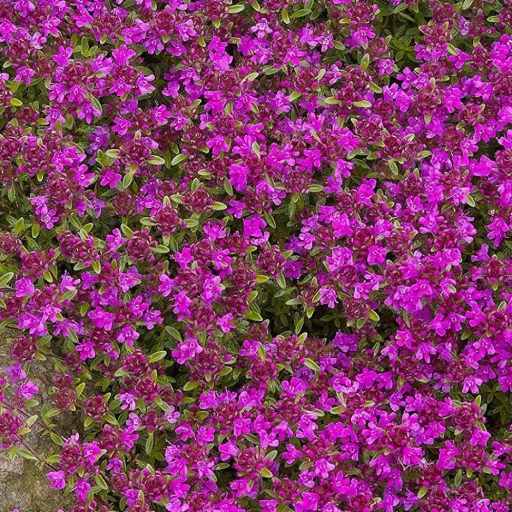
Creeping Thyme, Wild Thyme, Mother of Thyme, Breckland Thyme
Thymus serpyllum
Lamiaceae
LCEasy
☀️SunFull Sun
💧WaterDeep, infrequent watering during establishment; highly drought-tolerant once mature. Requires sharp drainage.
🗺️Zone4a - 9b
📏Height2-4 inches
Ideal pH6.5 – 8
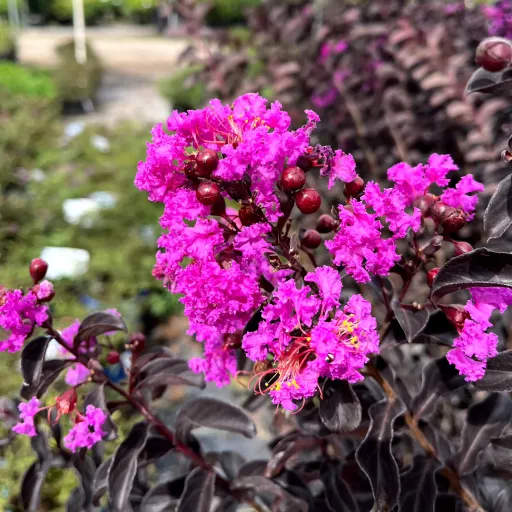
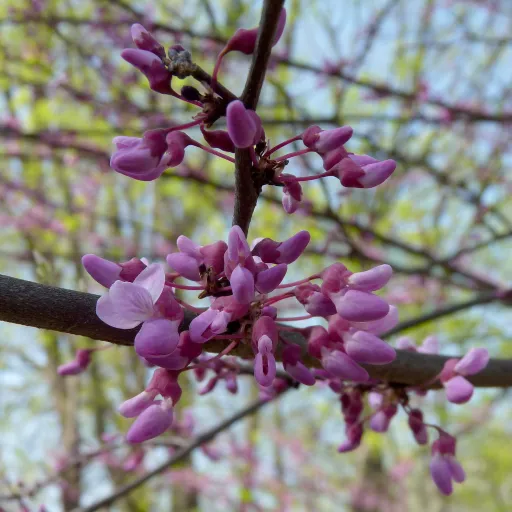
Common Crepe Myrtle, Crape Myrtle
Lagerstroemia indica
Lythraceae
LCEasy
☀️SunFull Sun
💧WaterModerate regular water during the first two establishment years; highly drought-tolerant once deep root systems develop.
🗺️Zone6a-9b
📏Height15-25 feet (4.5-7.5 m)
Ideal pH5.5 – 6.8
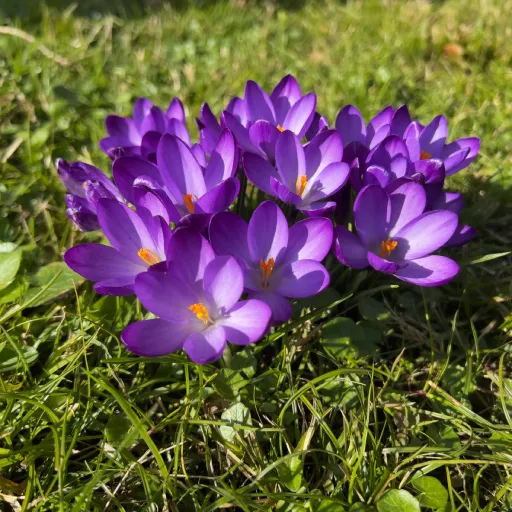
Spring Crocus, Dutch Crocus, Giant Crocus
Crocus vernus
Iridaceae
LCEasy⚠️ Mildly Toxic
☀️SunFull Sun, Partial Sun
💧WaterRequires moisture in late winter and spring; tolerates and prefers dry conditions during summer dormancy.
🗺️Zone3a-8b
📏Height3-6 inches (8-15 cm)
Ideal pH6 – 7.5
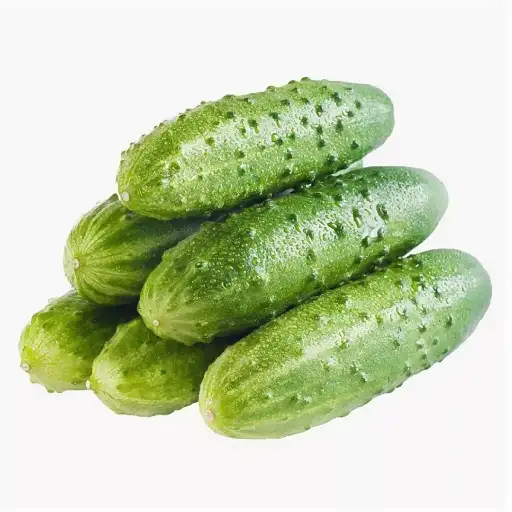
Cucumber, Gartengurke, Concombre, Khira
Cucumis sativus
Cucurbitaceae
LCModerate
☀️SunFull Sun
💧WaterProvide 1-2 inches of water per week. Consistent moisture is critical; irregular watering causes misshapen or bitter fruit. Drip irrigation is preferred to keep leaves dry and reduce disease.
🗺️Zone4-11 (cultivated as frost-tender summer annual)
📏Height1-2 feet sprawling; 6-8 feet when trellised
Ideal pH6 – 7
Wild Daffodil, Lent Lily, Trumpet Narcissus, Common Daffodil
Narcissus pseudonarcissus
Amaryllidaceae
LCEasy⚠️ Highly Toxic
☀️SunFull Sun, Partial Sun, Partial Shade
💧WaterEnsure regular moisture throughout the active vegetative and flowering spring cycle. Tolerate and prefer drier soil regimes during summer bulb dormancy.
🗺️Zone3a - 9b
📏Height0.5-1.5 feet
Ideal pH6 – 7.5
Garden Dahlia, Tuberous Dahlia
Dahlia pinnata
Asteraceae
LCModerate⚠️ Mildly Toxic
☀️SunFull Sun, Partial Sun
💧WaterDeep, consistent watering at soil level 2-3 times weekly; avoid overhead sprinkling to minimize powdery mildew and Botrytis spore dispersal.
🗺️Zone8a - 11b
📏Height1-6 feet
Ideal pH6 – 7.5
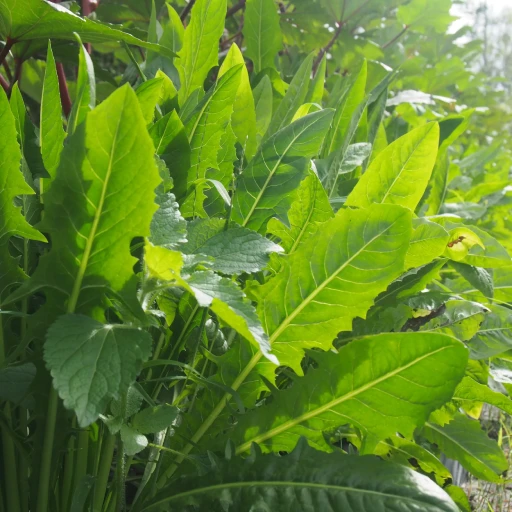
Dandelion, Common Dandelion, Lion's Tooth, Pissenlit
Taraxacum officinale
Asteraceae
LCEasy
☀️SunFull Sun, Partial Sun, Partial Shade
💧WaterModerate regular moisture produces broader, less bitter leaves; withstands prolonged dry spells via deep taproot.
🗺️Zone3a-10b
📏Height6-18 inches (15-45 cm)
Ideal pH6 – 7.5
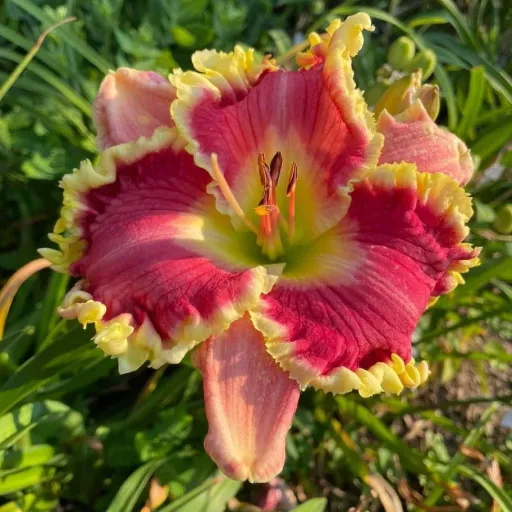
Tawny Daylily, Orange Daylily, Ditch Lily
Hemerocallis fulva
Asphodelaceae
NEEasy⚠️ Highly Toxic
☀️SunFull Sun, Partial Sun, Partial Shade
💧WaterMedium to low; drought-tolerant due to swollen, moisture-storing root tubers.
💧WaterProvide 1-1.5 inches of water per week via drip irrigation; avoid overhead watering to reduce fungal spore proliferation on foliage.
🗺️Zone2a-11b
📏Height1-2 feet (30-60 cm)
Ideal pH6 – 6.8
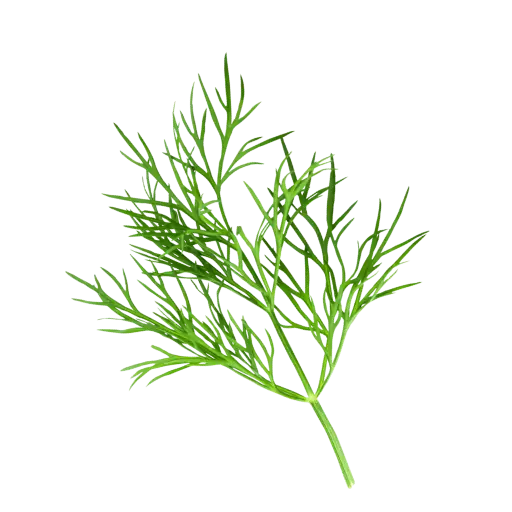
Dill, Dill Weed, Dill Seed, Aneth
Anethum graveolens
Apiaceae
LCEasy
☀️SunFull Sun
💧WaterWater regularly to keep soil evenly moist, especially during germination and flowering. Do not let soil dry out completely or become waterlogged.
Beans: Soil pH, Planting Depth and Spacing (Green, Bush, Fava)
The three bean records in this database, green bean, bush bean and fava (broad bean), all sit in the same narrow soil window: pH 6.0 to 7.0, well-drained, and neither waterlogged nor droughted through pod fill. That window is not a preference, it is a biological constraint. Rhizobium nodules (the reason a bean feeds itself) stop fixing atmospheric nitrogen below about pH 6.0, and fava shows aluminium and manganese toxicity on acid ground before the common beans do. Lime to 6.0-6.5 if a test comes back under 6.0, then re-test: the correction takes months, not weeks.
Depth. Sow bean seed at about three times its own thickness and no deeper: 1 to 1.5 inches for green and bush bean, 1 to 2 inches for the larger fava seed. Sowing shallow is the safer error. Common bean will not germinate in soil still below 60°F (16°C) (seed sits and rots instead of swelling) while fava is the opposite and goes in four to six weeks before the last frost, which is why it also works as an autumn sowing. Neither wants a presoak: hydrate the bed, not the seed.
Spacing. Bush types are determinate and stop growing on their own, so 3 to 4 inches within the row and 18 to 24 inches between rows gives a canopy that closes without crowding; thinned stands dry out and crack their pods. Fava is taller and stiffer, so it takes 4 to 6 inches in the row with 24 inches between rows, and it benefits from a stake on exposed ground. Pole types are a different question: they need the trellis before the seed goes in.
After sowing. About an inch of water a week, held evenly through flowering and pod set: a dry week at first bloom drops the flower set, and a waterlogged week at harvest splits the pods. Inoculate seed if the bed has not grown a legume in the last four years, keep fresh manure out of the hole (it delays nodulation) and feed phosphorus and potash from a soil test rather than by habit. Full sun for all three. For the pH side of that, start from the soil pH by crop reference table and work out the rate with the lime requirement calculator.