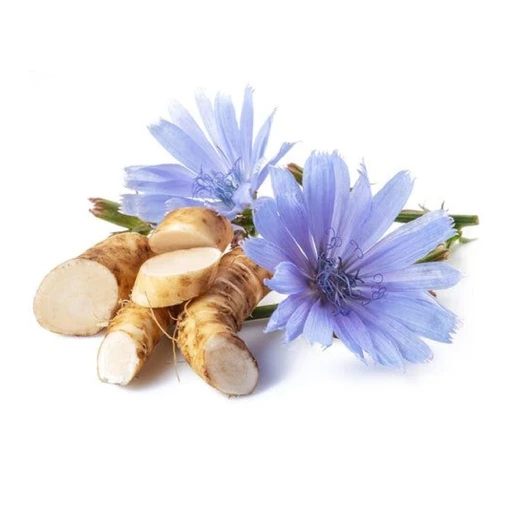
Common Chicory, Wild Succory, Blue Sailors, Coffee Weed
Cichorium intybus
Asteraceae
☀️SunFull Sun, Partial Sun
💧WaterExtremely drought-hardy once established due to extensive taproot; requires virtually no supplemental irrigation in field conditions.
🗺️Zone3a-9b
Easy✨ deer_resistant
📏 Height: 2-4 feet (60-120 cm)
Ideal pH5.5 – 7.5
climberLC
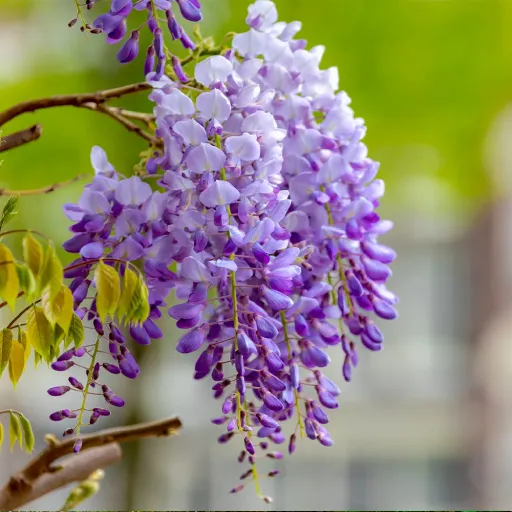
Chinese Wisteria, Sweet Wisteria
Wisteria sinensis
Fabaceae
☀️SunFull Sun, Partial Sun
💧WaterDeep, infrequent watering during establishment; moderately drought-tolerant once extensive root systems are formed.
🗺️Zone5a - 9b
Moderate⚠️ Highly Toxic✨ fragrant_flower
📏 Height: 25-40 feet
Ideal pH6 – 7
herb_non_graminoidNE
Chives, Wild Chives, Schnittlauch
Allium schoenoprasum
Amaryllidaceae
☀️SunFull Sun, Partial Sun, Partial Shade
💧WaterKeep evenly moist but not waterlogged; water deeply when the top 1 inch of soil is dry.
🗺️Zone3a-9b
Easy⚠️ Mildly Toxic✨ fragrant_flower
📏 Height: 10-15 inches (25-38 cm)
Ideal pH6 – 7
herb_non_graminoidLC
Cilantro, Coriander, Chinese Parsley
Coriandrum sativum
Apiaceae
☀️SunFull Sun, Partial Sun
💧WaterKeep consistently moist but not waterlogged. Approx. 1 inch per week. Avoid overhead watering to prevent fungal diseases.
🗺️Zone3-11 (Grown as a cool-season annual)
Easy✨ fragrant_foliage
📏 Height: 1-2 feet
Ideal pH6.2 – 6.8
climberLC
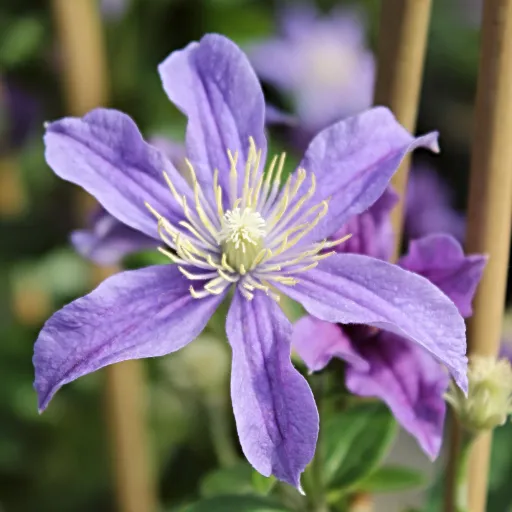
Clematis, Virgin's Bower, Queen of Climbers, Leather Flower
Clematis viticella
Ranunculaceae
☀️SunFull Sun, Partial Sun
💧WaterDeep, consistent watering (1-1.5 inches weekly). Roots must be shaded by low companion perennials, mulch, or flat stones to prevent root-zone thermal stress.
🗺️Zone4a - 9b
Moderate⚠️ Mildly Toxic✨ fragrant_flower
📏 Height: 8-15 feet
Ideal pH6.5 – 7.5
herb_non_graminoidLC
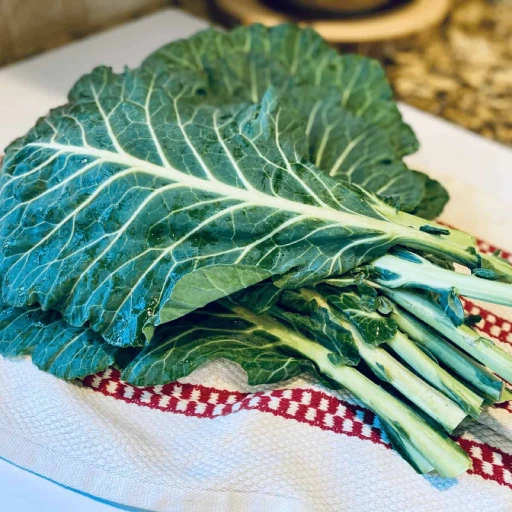
Collard Greens, Collards, Tree Cabbage
Brassica oleracea
Brassicaceae
☀️SunFull Sun, Partial Sun
💧WaterProvide 1 inch of water per week; very tolerant of brief dry periods once deeply rooted.
🗺️Zone3a-11b
Easy✨ deer_resistant
📏 Height: 2-3 feet (60-90 cm)
Ideal pH6 – 6.8
shrubLC
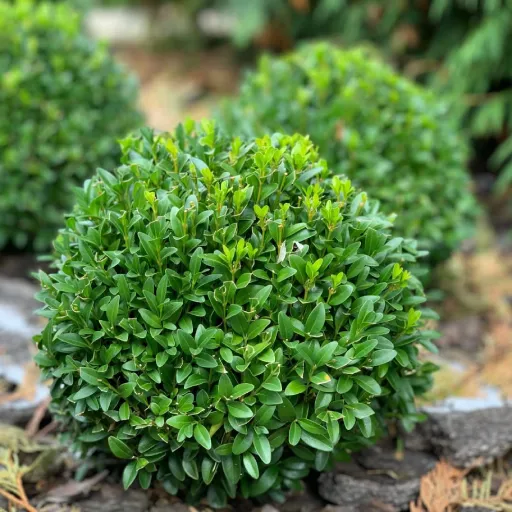
Common Boxwood, European Box, Box Tree
Buxus sempervirens
Buxaceae
☀️SunFull Sun, Partial Sun, Partial Shade
💧WaterWater regularly during the first 1-2 growing seasons to establish the shallow root system. Mature plants require deep watering during prolonged summer droughts. Avoid overhead irrigation to minimize foliar fungal pathogens.
🗺️Zone5a - 8b
Moderate⚠️ Highly Toxic✨ fragrant_foliage
📏 Height: 5-15 feet
Ideal pH6.5 – 7.8
climberLC
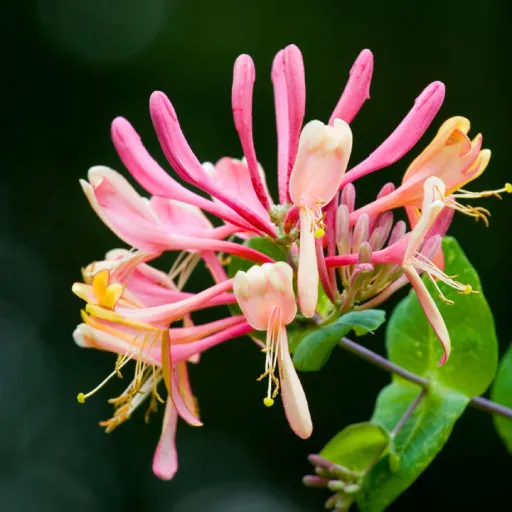
Woodbine, Common Honeysuckle, European Honeysuckle
Lonicera periclymenum
Caprifoliaceae
☀️SunFull Sun, Partial Sun, Partial Shade
💧WaterModerate moisture; keep the root zone consistently cool and mulched while allowing climbing vines to reach full sun.
🗺️Zone4a - 9b
Easy⚠️ Mildly Toxic✨ fragrant_flower
📏 Height: 15-25 feet
Ideal pH5.5 – 7.5
shrubLC
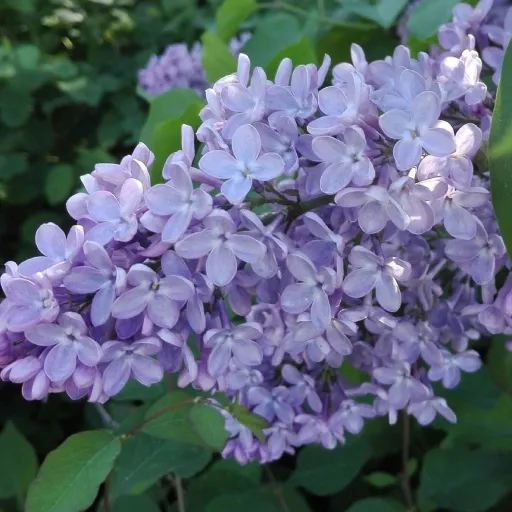
Common Lilac, French Lilac
Syringa vulgaris
Oleaceae
☀️SunFull Sun, Partial Sun
💧WaterProvide regular deep watering during the first 2 seasons. Mature shrubs are drought tolerant; irrigate during extended dry periods. Avoid overhead sprinkler irrigation to reduce foliar fungal pressure.
🗺️Zone3a - 7b
Easy✨ fragrant_flower
📏 Height: 8-15 feet
Ideal pH6.5 – 7.5
subshrubLC
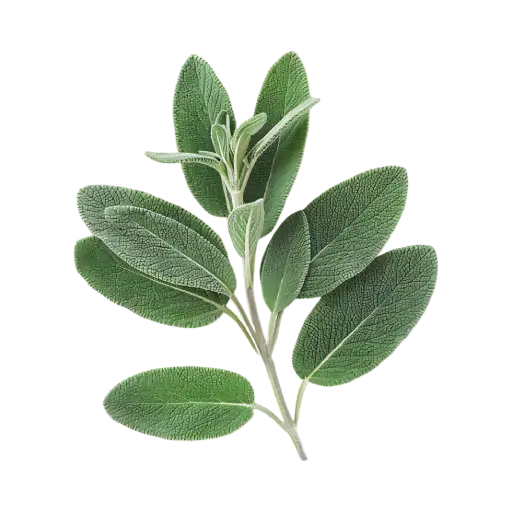
Common Sage, Garden Sage, Culinary Sage, Dalmatian Sage
Salvia officinalis
Lamiaceae
☀️SunFull Sun, Partial Sun
💧WaterWater deeply but infrequently. Allow soil to dry out between waterings. Established plants are highly drought tolerant and are susceptible to root rot in constantly moist soil.
🗺️Zone5a - 9b
Easy✨ fragrant_foliage
📏 Height: 30-60 cm (1-2 feet)
Ideal pH6 – 7.5
subshrubNE
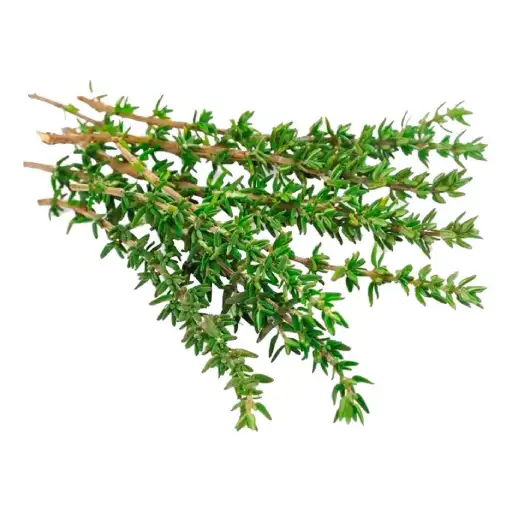
Common Thyme
Thymus vulgaris
Lamiaceae
☀️SunFull Sun
💧WaterWater deeply but infrequently. Allow soil to dry out completely between waterings. Overwatering is a common cause of failure.
🗺️Zone5a - 9b
Easy✨ fragrant_foliage
📏 Height: 6-12 inches (15-30 cm)
Ideal pH6 – 8
Beans: Soil pH, Planting Depth and Spacing (Green, Bush, Fava)
The three bean records in this database, green bean, bush bean and fava (broad bean), all sit in the same narrow soil window: pH 6.0 to 7.0, well-drained, and neither waterlogged nor droughted through pod fill. That window is not a preference, it is a biological constraint. Rhizobium nodules (the reason a bean feeds itself) stop fixing atmospheric nitrogen below about pH 6.0, and fava shows aluminium and manganese toxicity on acid ground before the common beans do. Lime to 6.0-6.5 if a test comes back under 6.0, then re-test: the correction takes months, not weeks.
Depth. Sow bean seed at about three times its own thickness and no deeper: 1 to 1.5 inches for green and bush bean, 1 to 2 inches for the larger fava seed. Sowing shallow is the safer error. Common bean will not germinate in soil still below 60°F (16°C) (seed sits and rots instead of swelling) while fava is the opposite and goes in four to six weeks before the last frost, which is why it also works as an autumn sowing. Neither wants a presoak: hydrate the bed, not the seed.
Spacing. Bush types are determinate and stop growing on their own, so 3 to 4 inches within the row and 18 to 24 inches between rows gives a canopy that closes without crowding; thinned stands dry out and crack their pods. Fava is taller and stiffer, so it takes 4 to 6 inches in the row with 24 inches between rows, and it benefits from a stake on exposed ground. Pole types are a different question: they need the trellis before the seed goes in.
After sowing. About an inch of water a week, held evenly through flowering and pod set: a dry week at first bloom drops the flower set, and a waterlogged week at harvest splits the pods. Inoculate seed if the bed has not grown a legume in the last four years, keep fresh manure out of the hole (it delays nodulation) and feed phosphorus and potash from a soil test rather than by habit. Full sun for all three. For the pH side of that, start from the soil pH by crop reference table and work out the rate with the lime requirement calculator.