Vinegar Pro-Tip: White Funk Melts Away
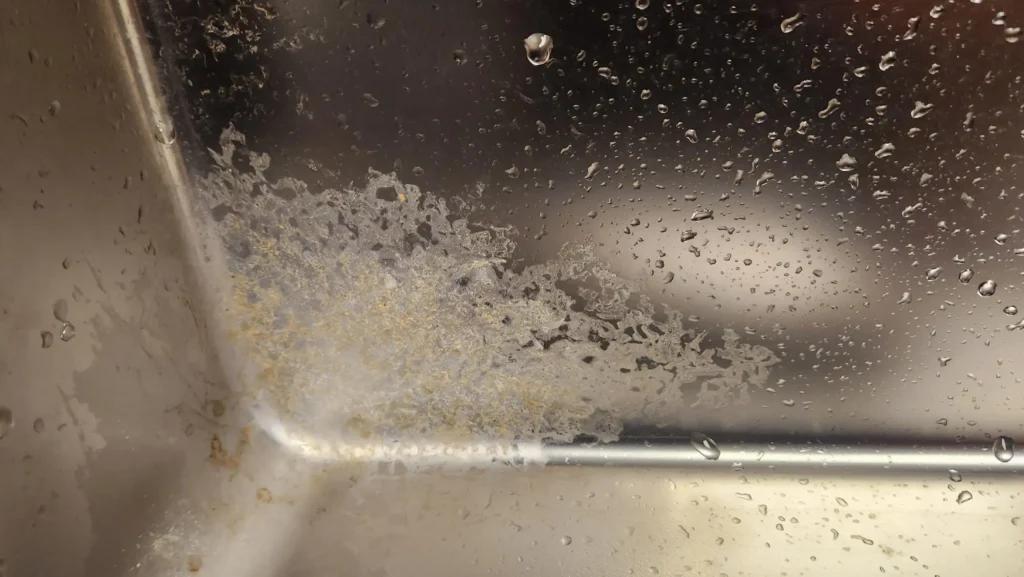
I am Azmi in Meknes, and the most valuable thing I own cost less than bread: a bottle of white vinegar that lives by the litter station. I did not invent the trick. A rabbit keeper with years on me watched me scrubbing a litter box raw one afternoon, the white crusty funk welded to the plastic like limestone in a cave, and told me to stop fighting it. Pour, wait, wipe. Fifteen minutes and light pressure. She was right, and I have repeated her lesson so many times since that it has become an heirloom: a tip I received, a tip I tested, a tip I now pass on with her name rubbed off by time but her kindness intact.
The inheritance: what she told me
Her exact words, as I remember them across the years: the white stuff is mineral, mostly calcium the rabbits pass in their urine, and scrubbing fights stone with muscle. Acid dissolves it instead. Plain white vinegar, enough to cover the crust, fifteen minutes of patience, then a wipe with light pressure and a good rinse. No steel wool, no harsh chemicals, no heroic elbow grease. I remember nodding politely and doubting her completely, because the crust in my box had survived everything including my temper. That evening I tried it exactly as instructed, standing in my bathroom with the box, the bottle, and a timer. At fifteen minutes I wiped, and the white sheet slid off like it had never been attached. I actually laughed out loud. The rabbits, unimpressed by chemistry, demanded dinner.
What made it an heirloom rather than a hack is that she gave me the reasoning with the recipe. Rabbit urine runs mineral-rich, the deposits are mostly calcium carbonate, and mild acids dissolve carbonate. That is why the same trick works on the plastic base and, with a tweak, on slanted corners where liquid runs off: a vinegar-soaked cloth pressed into the corner, or a pinch of citric powder made into a paste for the stubborn spots, held in place while the acid works. She warned me about the part beginners skip. Rinse thoroughly afterward, dry fully, and only then refill with fresh litter, because rabbits should not sit in vinegar-wet boxes and the station should smell like nothing at all when they return. My full station setup, the layout the vinegar serves, is the one I described in my litter corner setup and cleaning log.
The testing: how I made it mine
Inheritance requires verification, so I tested the tip across every box and stain in the house. Light crust from the week: vinegar, ten minutes, gone. Thick monthly buildup along the pee corner: vinegar, the full fifteen, plus a second pour on one patch, gone with a soft cloth. Slanted corner where pours run away: soaked cloth pressed in, twenty minutes, gone. Textured plastic base that hides crust in its grain: vinegar plus an old soft toothbrush, gentle circles, gone. Four tests, four clean boxes, zero scrubbing injuries to the plastic, which matters because scratched plastic harbors odor and shortens the box’s life. I also tested the failure modes. Vinegar on a box that still holds old litter does nothing. Vinegar wiped off after thirty seconds does half the job. Vinegar followed by no rinse leaves a smell the rabbits notice; one of mine refused the box until I re-rinsed it, a humiliation I only needed once.
- Empty the box fully, shake out litter dust, pour plain white vinegar over the crust
- Wait the full fifteen minutes; soak a cloth for corners the pour cannot reach
- Wipe with light pressure, soft cloth or old toothbrush for textured spots
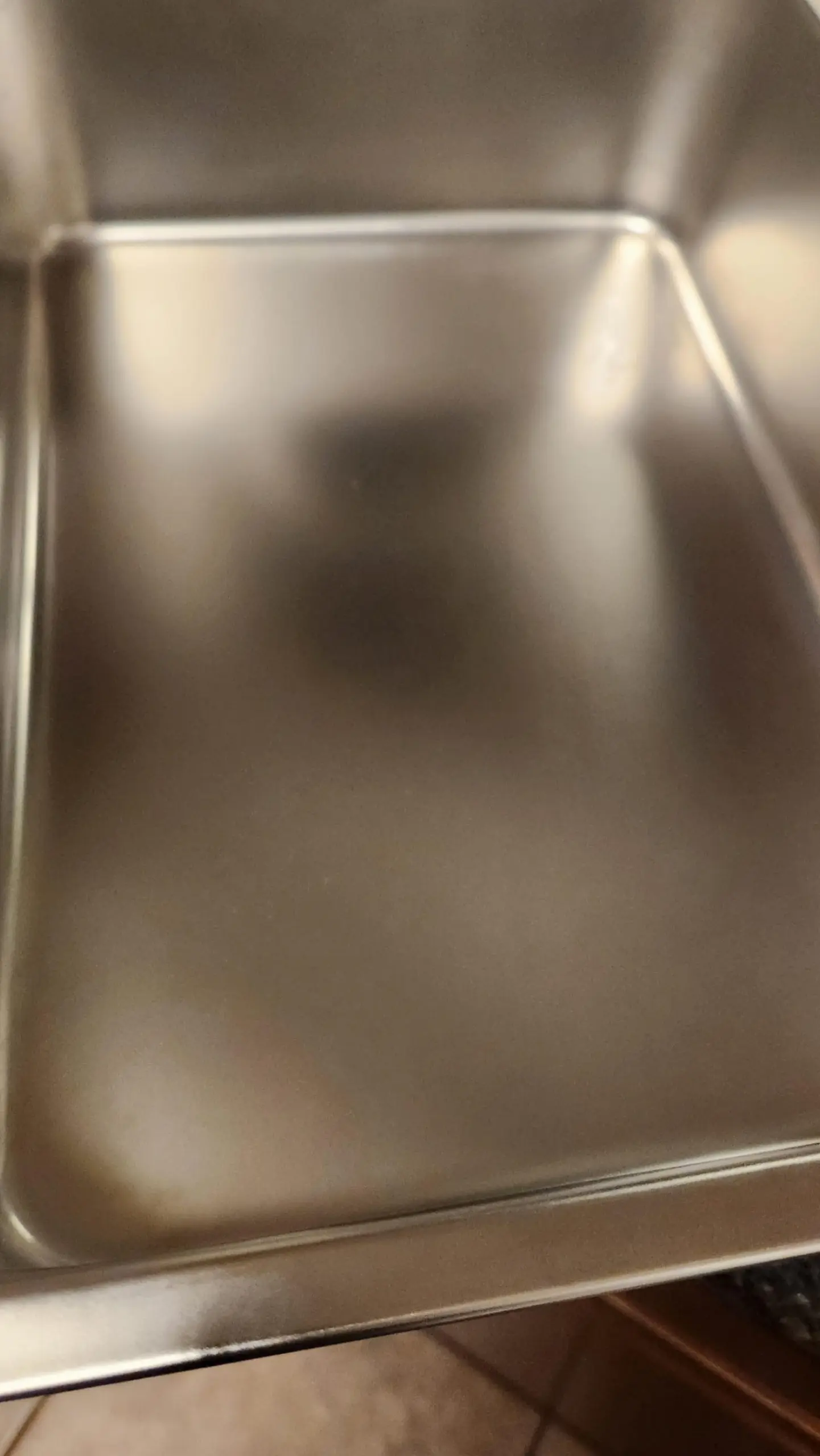
- Rinse well, dry completely, refill with fresh litter before the rabbits return
The cautions stitched into the heirloom
Every heirloom carries its warnings, and this one has three. First, vinegar is for the box, not the rabbit: it never goes on fur, feet, or skin, and boxes go back only rinsed and dry. Second, persistent changes in the deposits themselves, sudden heaviness, gritty sludge, bloody tinge, straining, any behavior change around the litter corner, are vet matters, not cleaning matters; the vinegar cleans the plastic while the vet reads the animal, and I never confuse the two jobs. Third, strong chemicals, bleach, harsh bathroom sprays, anything perfumed, have no place at the litter station, because rabbit noses and lungs are far more sensitive than mine and residue is a risk I refuse to take. Plain vinegar, fully rinsed, is the whole pharmacy. The morning rhythm around it, fresh hay, fresh water, quick health glance, is the routine in my morning rabbit routine in Meknes.
The passing-on: why I tell every new owner
I have now given this tip the way I received it: standing next to someone scrubbing, telling them to stop. To the new owner fighting the white funk tonight, here is the heirloom, intact. Empty the box. Pour the vinegar. Set a timer for fifteen minutes and drink some tea. Wipe gently, rinse well, dry fully, refill fresh. Citric paste or a soaked cloth for the corners that defy pouring. And when it works, when the crust slides away and the box looks new and nobody suffered including you, pass it on to the next scrubber you meet, with the reasoning attached. That is how tips become heirlooms: each of us adds one clean box to the chain.
My vinegar bottle still lives by the litter station, sun-faded, half empty, the cheapest essential in a house full of hay and love. Cleaning day used to be the chore I dreaded. Now it is fifteen minutes of chemistry doing the work while I sit with the rabbits, and a quiet moment of thanks to the keeper who saved my elbows years ago. Pour, wait, wipe. Gone. Title says it all, and the heirloom is yours now.
Next in this chapter…
Escape Artists: How Do They Get Out?
I am Azmi in Meknes, first-time owner of two eleven-week-old escape artists, and for a week my large pen held…
Pippin vs the Robot Vacuum (Treats Help)
I am Azmi, writing from my living room in Meknes, and I can now draw you a map of this…
Why Are Books the Only Thing He Eats?
I am Azmi, writing from Meknes, and I come to this case as both judge and fellow victim. The charge:…