Pellet Panic: The Kiln-Dried Verdict
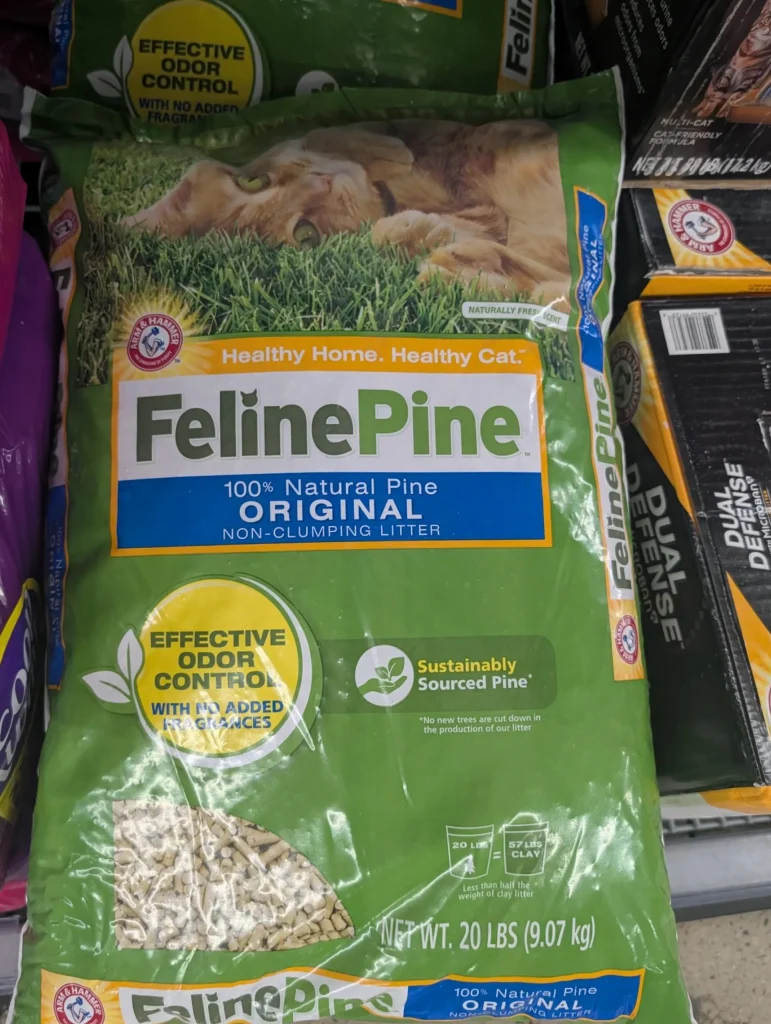
I am Azmi, writing from Meknes, and two weeks ago my rabbit household nearly collapsed for the most ordinary reason in the world: the shop ran out of the big forty-pound bag of equine pellets I always buy. Not a dramatic crisis, just an empty shelf and a sinking feeling. When you feed rabbits the same steady diet for months, an empty shelf feels like the ground tilting. I stood in the aisle, stared at the gap where my usual bag should have been, and started doing the mental math of how many days my cupboard could cover.
The answer was nine days, and the restock truck was a rumour. So I did what every rabbit keeper in this situation does: I started reading other bags with the focus of a scholar translating ancient texts. That is how I found myself holding a bag of kiln-dried pine pellets, turning it over, checking the label three times, and asking the great question of the week: can my bunnies use this? The bag looked right. The price made my eyebrows climb. But looking right is never enough when someone small will be sitting in it, so I put the bag back on the shelf and went home to think properly.
What my cupboard taught me about backup plans
My cupboard at home told the story of my complacency. One open bag, one backup bag already open, and nothing sealed in reserve. I keep hay stacked like a tiny barn, I track greens in my daily log of what my bunnies ate, hay plus greens, and yet my pellet reserve was one missed delivery away from zero. I sat on the kitchen floor, counted scoops, and wrote the number on a sticky note that is still on my fridge: nine days. Seeing it in writing made the lesson permanent in a way worrying never could.
The next morning I called the shop and asked when the usual stock would return. Vague answers. I called a second shop across town and got the same vagueness with more cheer. That afternoon I sat with my rabbits and watched them eat from their current supply, completely unbothered, while I did all the bothering for the whole house. One of them flopped sideways after dinner with the deep peace of a creature who has never heard of supply chains. I envied her and kept planning.
Here is where I slow down and say the responsible thing clearly. Anything about what goes into my litter boxes or my rabbits mouths runs past my vet first, and new products get a careful transition with fresh hay and water always available. I am just a keeper in Meknes sharing my own household story, not giving anyone else feeding instructions. When I had questions about the kiln-dried bag, I asked my vet before I changed anything, and that conversation is what settled my week. My rabbits eat a hay-first diet either way, and that foundation never wobbles no matter which bag sits in the cupboard.
The consultation that ended the panic
With my vet questions answered and my notes in hand, I went back to the shop and bought the kiln-dried bag. Forty pounds for pocket change, exactly the kind of price that makes you suspicious until you remember that farm shops sell simple bedding materials without fancy packaging. The bag rode home on my lap in a taxi while the driver told me about his uncles chickens. Everything in Meknes is a story if you let it be one.
At home I opened the bag the way I open anything new: slowly, sniffing for anything sharp or chemical, checking the texture against what I know. The pellets were firm, pale, and smelled faintly of warm wood, like a carpentry workshop on a dry afternoon. I set up one corner the way I always do, the arrangement I described in my notes on my picky hay station and what I put out, with hay racks full and the familiar layout untouched. Rabbits notice moved furniture the way critics notice a changed cast. Nothing else moved.
The bunnies, for the record, approved within the hour. One hopped in, dug twice, circled, and sat down with the air of a judge awarding full marks. The other sniffed every pellet individually, as is her right, then flopped beside the box and fell asleep. Crisis over. Panic logged. I refilled the scoop jar, swept the spilled pellets that always escape on bag-opening day, and wrote the date on the bag in thick marker the way my grandmother dates spice jars.
The real change is the rule I wrote underneath that nine-day sticky note: two sealed bags minimum from now on, always. The first bag is dinner. The second bag is peace of mind. When the first opens, the replacement goes on the shopping list that same evening, not next week, not when the shelf looks low. It is a small discipline, the kind that feels boring until the week it saves you, and this was the week it would have saved me if I had started it sooner.
Looking back, the panic taught me more than the product did. I learned that my household runs on routine the way a tram runs on rails, and that my job as keeper is to protect the routine, not to improvise brilliantly under pressure. The kiln-dried bag now sits in my cupboard as both supply and souvenir: proof that I asked the right questions, waited for answers, and kept the hay racks full through the whole wobble. My rabbits never knew there was a crisis, which means I did my job. The best emergencies in a rabbit house are the ones the rabbits never notice.
Next in this chapter…
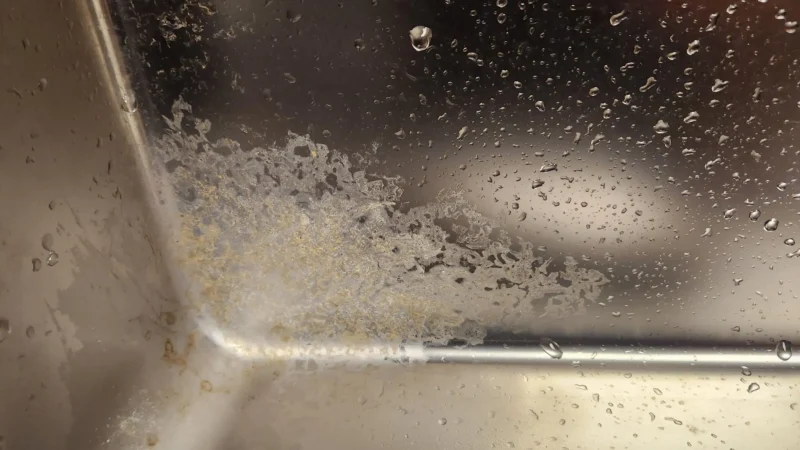
Vinegar Pro-Tip: White Funk Melts Away
I am Azmi in Meknes, and the most valuable thing I own cost less than bread: a bottle of white…
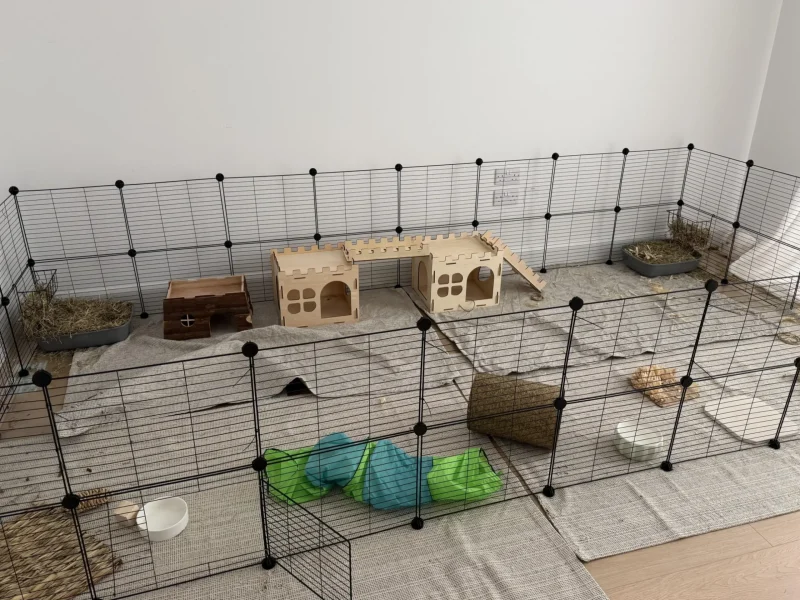
Escape Artists: How Do They Get Out?
I am Azmi in Meknes, first-time owner of two eleven-week-old escape artists, and for a week my large pen held…
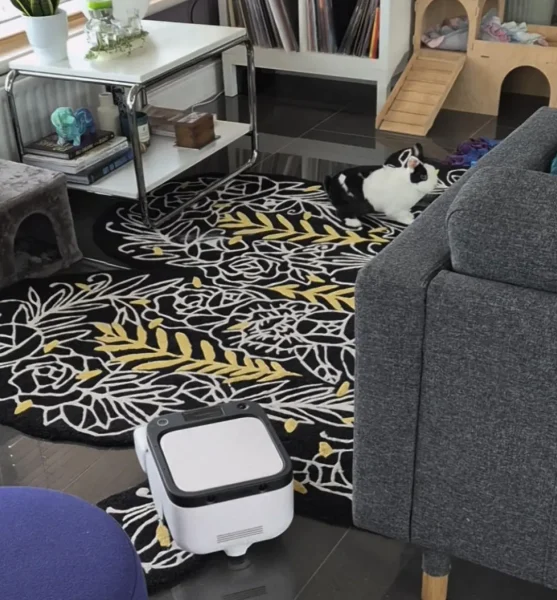
Pippin vs the Robot Vacuum (Treats Help)
I am Azmi, writing from my living room in Meknes, and I can now draw you a map of this…