Why Are Books the Only Thing He Eats?
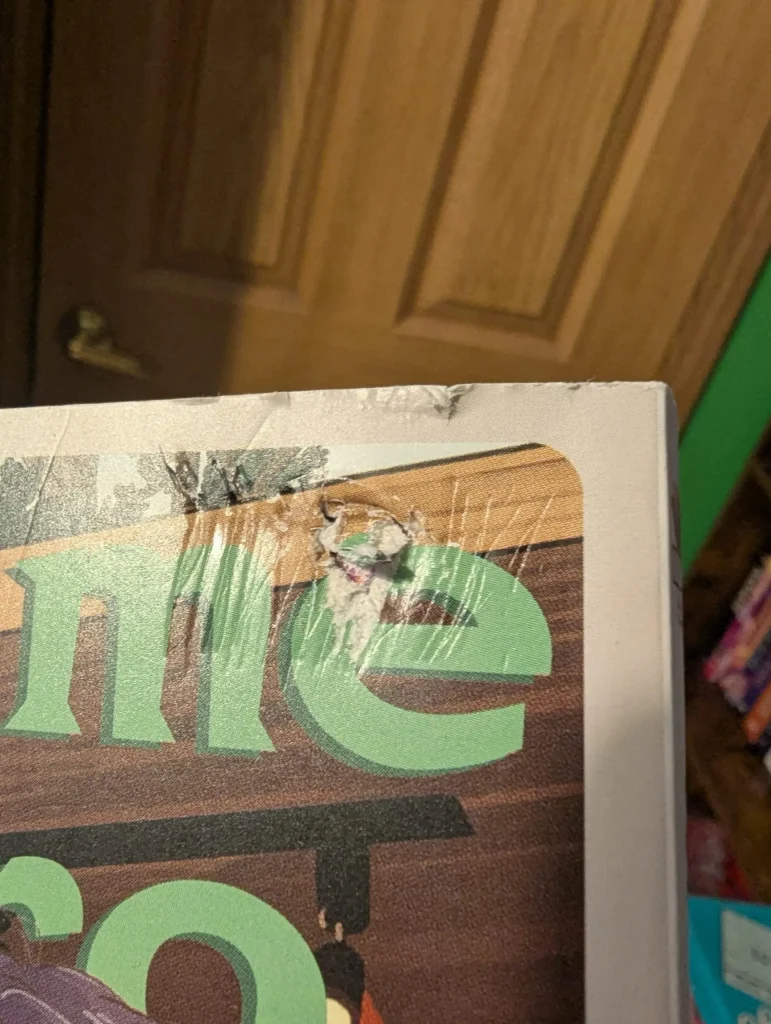
I am Azmi, writing from Meknes, and I come to this case as both judge and fellow victim. The charge: a rabbit put a hole in volume thirteen. Not volume one, the expendable one. Not some pamphlet nobody would miss. Volume thirteen, my hero volume, the one with my scent all over it, the big deal on the shelf. The accused sensed I loved it and wanted a taste of the big deal. Hungry for knowledge, literally.
Cords sometimes, sure, no problem, the original note says, and I nodded along, because every rabbit keeper makes mysterious peace with cord casualties. But books? Books are different. Books are sacred. A chewed cord is an electrical problem. A chewed book is a personal betrayal with teeth marks, and the hole in volume thirteen will stare at me from the shelf forever, a small round window into the mind of a critic who found the plot delicious.
The prosecution: volume thirteen speaks
Let me present the evidence as the prosecution would. Exhibit one: a bookcase without doors, offering its contents like a buffet. Exhibit two, photographed for the record: the cover of the wounded volume, hole placement suggesting a reader who started with enthusiasm and did not pace himself. Motive, established by the note itself: the book smelled like me, irresistible, saturated with the scent of the human who reads instead of petting. Paper is very chewable, the note concedes, and everything here is his property. You were reading instead of petting. Verdict fair.
I must admit the prosecution’s case is strong. I have lived this exact scene in Meknes, book lowered slowly as small footsteps approach with intent, and I know the precise sound of paper meeting incisors. It is a crisp sound. A decisive sound. The sound of a review being published without peer review. My card-chewing evenings during game night with a card chewer taught me that anything paper left at rabbit height is not stored, it is offered.
The defence: a growing mind needs roughage
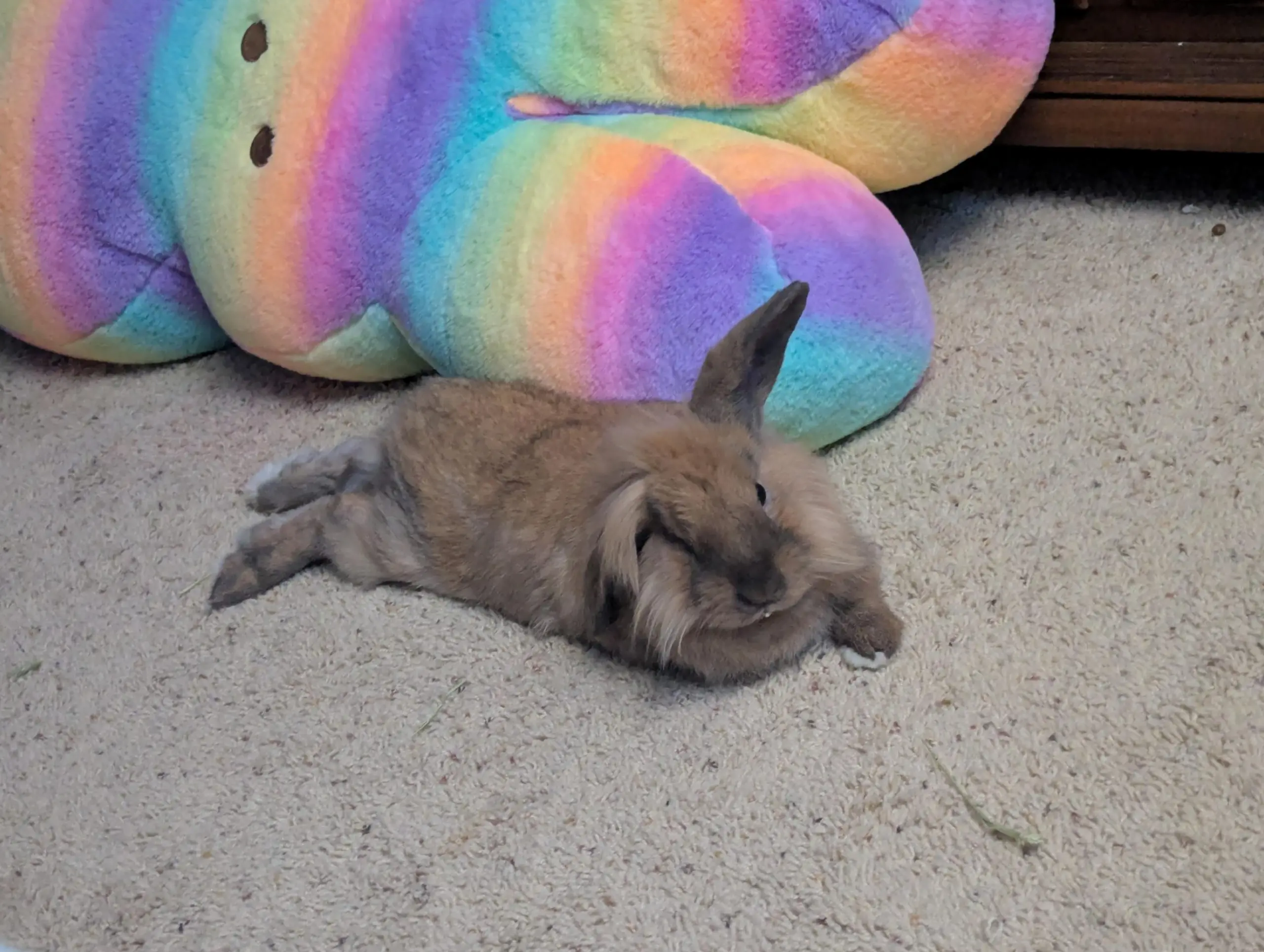
The defence calls one witness: the rabbit himself, who declines to appear on account of napping. Counsel argues as follows. First, the scent defence: the books carry my smell on every page I have touched, and a rabbit who adores his human will naturally gravitate toward the most human-scented objects in the room. He was not destroying literature. He was embracing me at the molecular level. Second, the texture argument: paper gives under the tooth with deeply satisfying resistance, shredding into portable pieces that can be rearranged to taste. Third, the attention economy: reading is a suspicious activity in which the human stares at a rectangle and stops petting. Intervention was not merely justified. It was required.
The defence further notes the pattern. Cords sometimes, sure. But books are the only thing he truly eats, the title insists, which suggests connoisseurship rather than vandalism. This is a reader with preferences. A critic with a beat. My household’s own future neurologist who eats the pages showed me the same scholarly appetite, and I have learned to respect the hunger even as I protect the library.
The settlement: doors, high shelves, petting duty
Every good dispute ends in a settlement, and this one is exemplary. A bookcase with doors: installed, locked. Volume thirteen: retired to the high shelf, where it will live out its days as a wounded veteran telling war stories to the other volumes. Reading: now done with a bunny on guard, which is to say reading is now done with frequent pauses for petting, because the court has ruled that unattended reading constitutes provocation.
I endorse every clause. Doors on bookcases are the only lasting peace treaty between rabbits and readers, and the high shelf is where beloved volumes go to be admired rather than sampled. As for petting duty, the reassignment is permanent. The reader has been reassigned to petting duty, the note says, and I read that sentence with the solemnity of a bailiff. The gavel has fallen. The hand that held the book will now hold the rabbit, and I would add one practical footnote from my own rooms: test every latch from rabbit height, because a determined nose will examine each centimetre of a new barrier on the first evening.
Closing statements
The prosecution rests, satisfied that the library is now fortified. The defence rests, satisfied that the client has been labelled a hero-volume enthusiast rather than a criminal. And I rest my case as a keeper who knows the truth: the hole in volume thirteen is already becoming a favourite story, the kind you tell guests while the rabbit sits nearby looking innocent. He sensed I loved it and wanted a taste of the big deal. Paper is chewable. Everything is his. The verdict was fair, the sentence is doors, and the reader is on petting duty for life. Court adjourned, with hay for all parties.
Next in this chapter…
Vinegar Pro-Tip: White Funk Melts Away
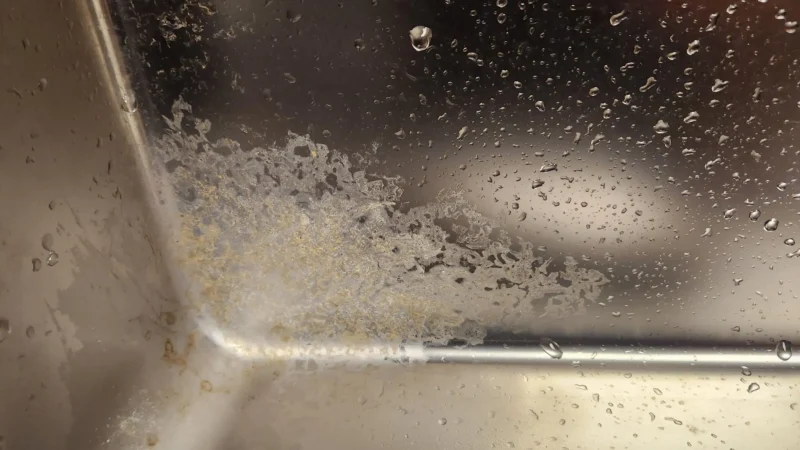
I am Azmi in Meknes, and the most valuable thing I own cost less than bread: a bottle of white…
Escape Artists: How Do They Get Out?
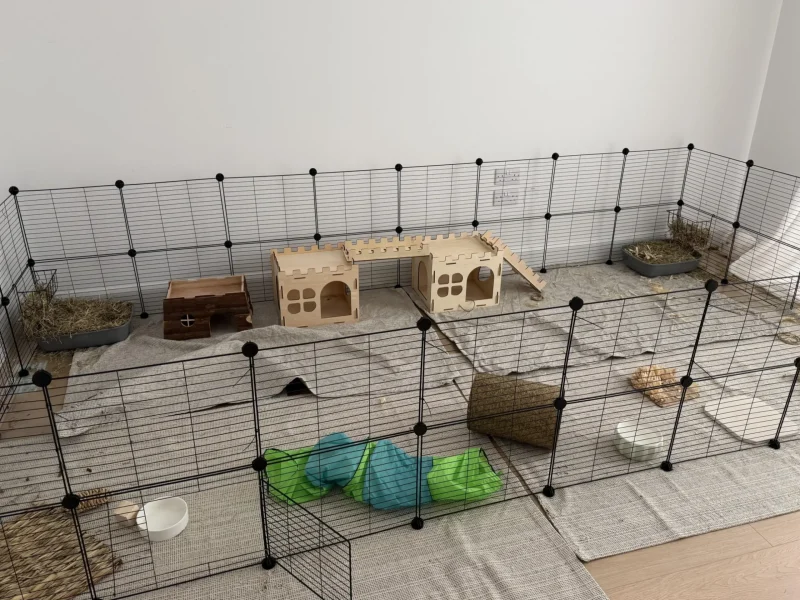
I am Azmi in Meknes, first-time owner of two eleven-week-old escape artists, and for a week my large pen held…
Pippin vs the Robot Vacuum (Treats Help)
I am Azmi, writing from my living room in Meknes, and I can now draw you a map of this…